
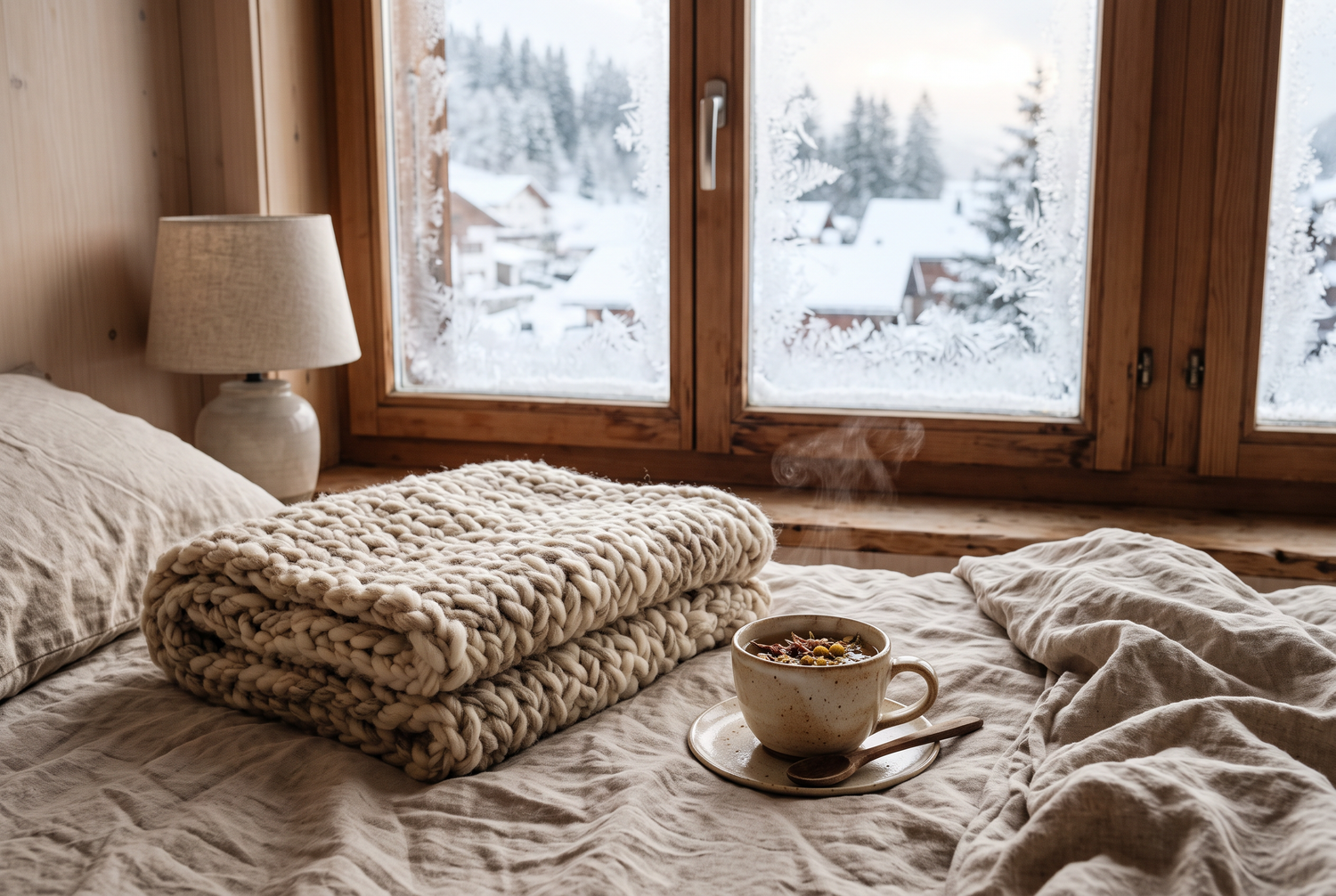
As soon as the days get shorter, many people in Switzerland find it harder to get up, energy levels drop in the afternoon, and the sofa wins out over any appointment. Winter fatigue is not an imagined phenomenon, but a measurable reaction of the body to less daylight. Between November and February, we often only get 1 to 2 hours of direct sun per day in the Swiss plateau – in June, it's over 7. This lack of light shifts our hormone balance, especially the release of melatonin and serotonin. The good news: if you understand the mechanisms, you can take targeted countermeasures. This article shows what's behind winter fatigue, how to distinguish it from true winter depression, and what concrete measures you can take to stay more alert during the cold season.
The short answer: Winter fatigue is primarily caused by a lack of light. Less daylight means more melatonin during the day and less mood-lifting serotonin – the body switches into a resting state. The most effective remedies are 30 to 60 minutes of daylight in the morning, regular exercise, a consistent sleep routine, and if necessary, light therapy with 10,000 lux. If the exhaustion persists for weeks despite everything, a medical evaluation should be sought.
- Winter fatigue is a normal reaction to a lack of light: Melatonin levels remain elevated during the day, and the activity hormone serotonin drops.
- 30–60 minutes of daylight in the morning is more effective than any cup of coffee – even on a cloudy day, the sky outdoors provides 2,000–10,000 lux, while indoor spaces only offer 300–500 lux.
- More than 30–60 minutes of extra sleep per night is rarely necessary in winter – sleeping too long tends to increase sluggishness.
- Vitamin D deficiency is common in Switzerland in winter and can exacerbate fatigue; a blood test can provide clarity.
- If exhaustion lasts longer than two weeks and is accompanied by lack of drive or depressed mood, seasonal depression may be the cause – this requires medical attention.
What is winter fatigue – and why does it affect so many?
Winter fatigue describes the seasonal lack of drive that many people experience between October and March: difficulty getting started in the morning, a sluggish afternoon, increased need for sleep, and cravings for carbohydrates. Surveys from German-speaking countries show that about half of adults feel noticeably more tired in winter than in summer. The reason lies in our biology: humans are diurnal creatures whose internal clock is set by light. If less bright light hits the retina in the morning, the sleep hormone melatonin is suppressed later and weaker – we stay in twilight mode longer. At the same time, the body produces less serotonin, which is responsible for drive and mood, when there is a lack of light. Winter fatigue is therefore not a character flaw, but a hormonal imbalance that can be well balanced with targeted measures.
The causes in detail: Melatonin, Serotonin, and Vitamin D
Three neurotransmitters play the main roles. First, melatonin: it is released in darkness and causes drowsiness. In winter, production begins earlier in the evening and ends later in the morning – sometimes melatonin levels are still significantly elevated at 7 a.m., even though the alarm clock is ringing. Second, serotonin: this neurotransmitter is stimulated by daylight and is also the precursor to melatonin. Little light means little serotonin during the day and thus less energy and a dampened mood. Third, vitamin D: it is formed in the skin through UVB radiation. Between November and February, however, the sun in Switzerland is so low that endogenous production practically ceases. Studies estimate that in late winter, over 60 percent of the population falls below the recommended value of 50 nmol/l. A pronounced deficiency can exacerbate fatigue, muscle weakness, and low moods – more on this in the article about Vitamin D and sleep quality.
Winter Fatigue or Winter Depression? The Difference
It is important to distinguish this from seasonal affective disorder (SAD). Normal winter fatigue manifests as an increased need for sleep and a little less vigor – but the joy of life generally remains, and after a walk or a good conversation, things noticeably improve. Winter depression goes beyond that: persistent low mood for at least two weeks, loss of interest, social withdrawal, strong cravings for sweets with weight gain, and a need for sleep that is not satisfied even after 10 hours. Estimates suggest that 2 to 5 percent of the population in northern latitudes are affected by SAD requiring treatment, with women about three times more likely than men. Anyone who recognizes themselves in this description should have it medically clarified – SAD is treatable, among other things, with medically supervised light therapy.
Light: The Strongest Lever Against Winter Fatigue
No remedy works as directly as light. The numbers clearly show the difference: a cloudy winter sky still provides 2,000 to 10,000 lux outdoors, a sunny winter day up to 20,000 lux – a lit office, however, only 300 to 500 lux. Anyone who spends the whole day indoors lives in twilight, in terms of light.
How to Use Daylight Correctly
Go outside for 30 minutes, if possible, within the first two hours after waking up, without sunglasses. Morning light stops melatonin production, resets the internal clock, and raises serotonin levels. Practical tip: get off one stop earlier, extend your commute by walking, or consistently spend your lunch break outdoors. If you don't have the opportunity, you can use a daylight lamp with 10,000 lux: 20 to 30 minutes in the morning at a distance of about 50 to 80 cm while having breakfast or reading. A light alarm clock also noticeably makes waking up easier on dark mornings, as it simulates the sunrise in the bedroom.
Exercise and Fresh Air: Circulation Instead of Coffee
Exercise has a dual effect against winter fatigue: it boosts circulation and, when done outdoors, enhances the effect of light. Even 20 to 30 minutes of brisk walking per day demonstrably improves mood and energy levels; the World Health Organization recommends 150 minutes of moderate activity per week, which corresponds to three brisk winter walks of 50 minutes each. Regularity is important, not intensity: a daily walk is more beneficial than a single strenuous workout on Saturday. Morning contrast showers (30 seconds cold at the end) also activate the sympathetic nervous system and make you more alert. And if you're struggling with an afternoon slump, 10 minutes of fresh air exercise is better than a third cup of coffee – caffeine after 2 PM can disturb nighttime sleep and increase fatigue the next day.
Winter Diet: Energy Without Sugar Rollercoaster
The craving for sweets in winter has a reason: carbohydrates facilitate the absorption of tryptophan into the brain, the precursor to serotonin. Instead of chocolate and white bread, which spike blood sugar and then cause another slump after 60 to 90 minutes, complex carbohydrates are more suitable: whole grain products, legumes, oatmeal. Combine these with protein sources like quark, eggs, fish, or nuts. Fatty sea fish (salmon, mackerel) also provides vitamin D and omega-3 fatty acids. Regarding vitamin D: In winter, a daily supplementation of 800 to 2,000 IU is advisable for many adults – however, the appropriate dose should be medically determined based on a blood test. Also, drink enough: in heated rooms, the body loses more fluids than one might think, and even a 2 percent fluid deficit can measurably reduce concentration and energy. 1.5 to 2 liters of water or unsweetened tea per day is a good guideline.
Sleep Environment and Routine: How to Sleep Better in Winter
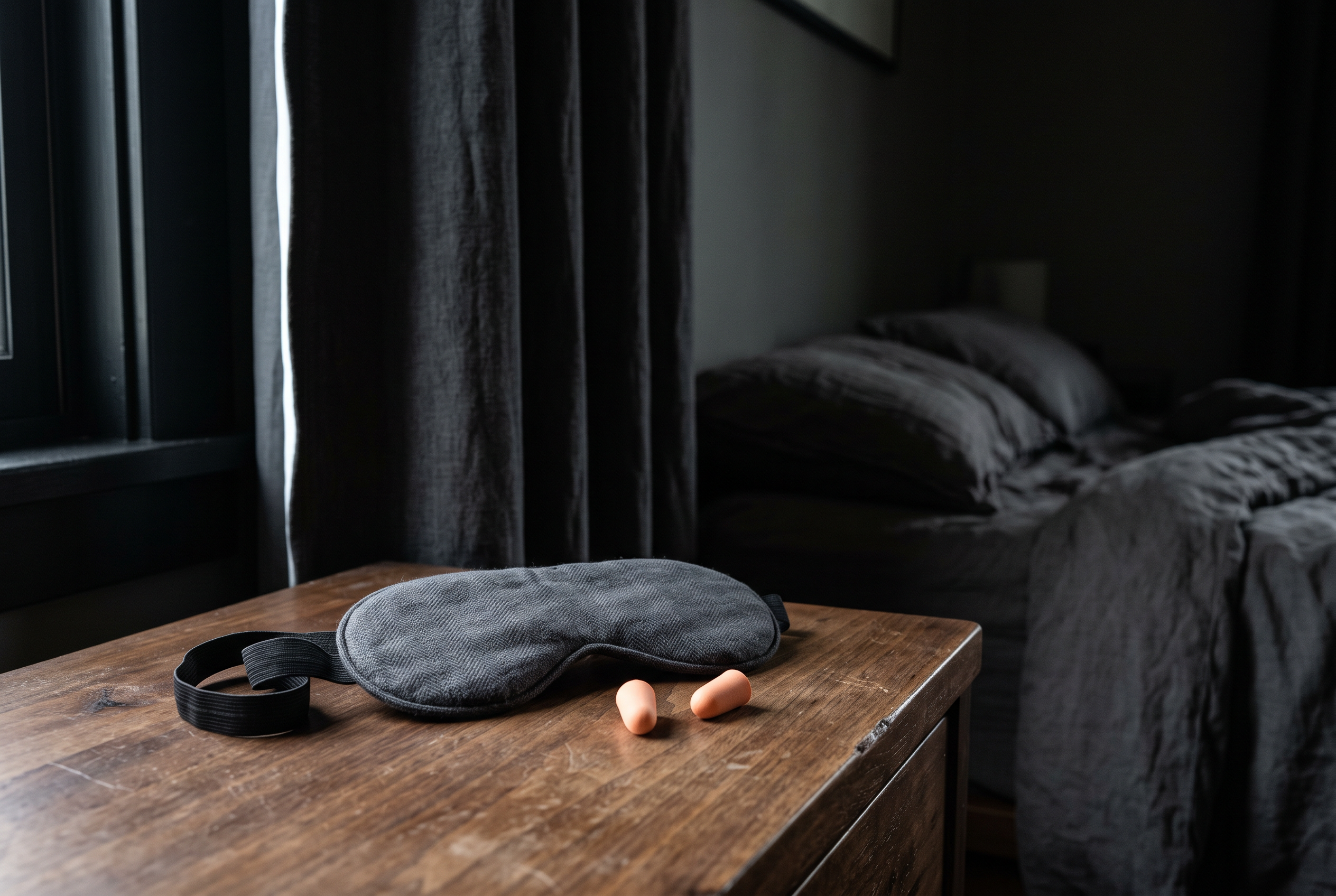
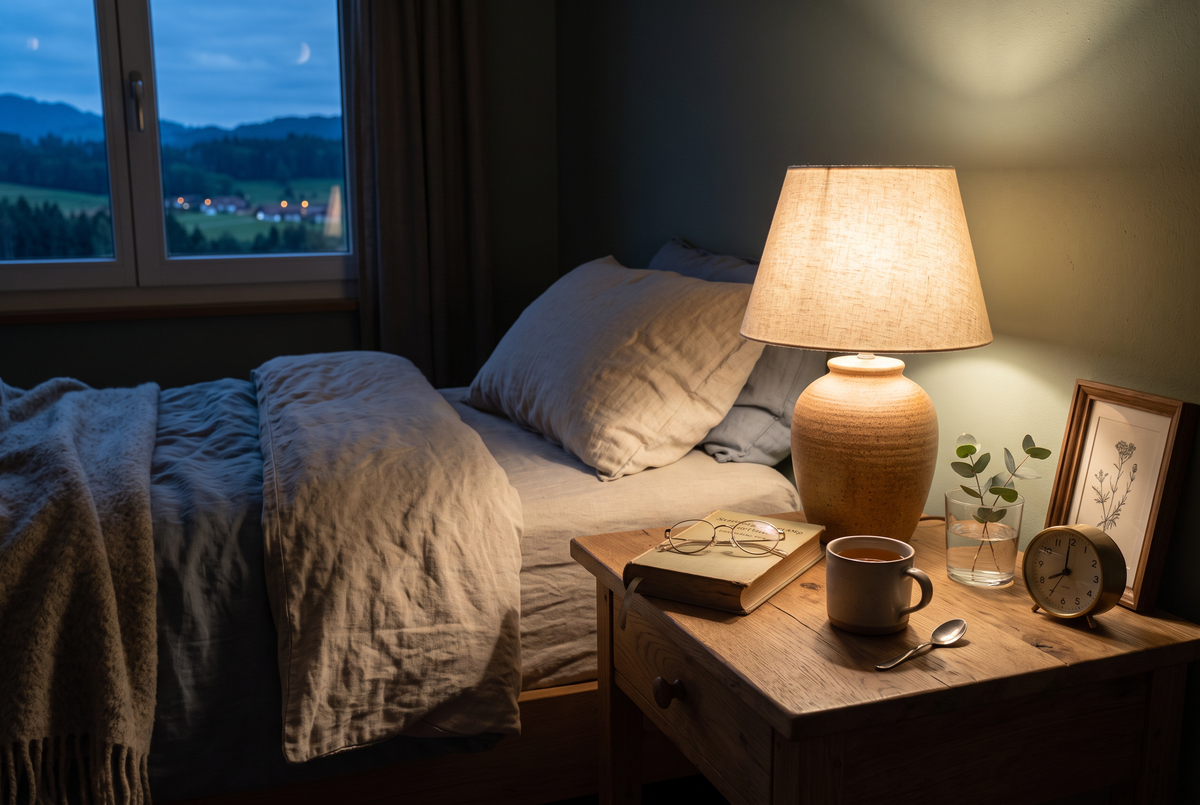
In winter, the need for sleep is slightly increased – about 30 to 60 minutes more per night is normal. More rarely helps: those who sleep 10 hours often feel more sluggish, not more rested. Maintain fixed bedtimes and wake-up times, even on weekends; a stable rhythm is the foundation of good sleep hygiene. For the room climate, even in winter: 16 to 18 °C is the ideal sleeping temperature – so the heating in the bedroom can remain turned down. Air the room for 5 to 10 minutes before going to bed, which reduces CO₂ and humidity. Dry heating air below 40 percent relative humidity irritates the respiratory tract; a hygrometer helps maintain the range of 40 to 60 percent. A warmer winter duvet is more sensible than an overheated room, because the body needs a slightly decreasing core temperature to fall asleep.
Common Mistakes with Winter Fatigue
Mistake 1: Sleeping longer as a permanent solution. Those who stay in bed for two hours in the morning shift their internal clock backward, making it even harder to get up on Monday. Mistake 2: Sleeping through the entire weekend – the so-called social jetlag exacerbates fatigue during the week. Mistake 3: Coffee as the main strategy. Caffeine only blocks fatigue signals, but does not address the lack of light, and disturbs sleep from the afternoon onwards. Mistake 4: Spending the entire winter indoors and waiting for spring. Mistake 5: Overheating the bedroom – above 20 °C, sleep quality measurably deteriorates. Mistake 6: Alcohol as a sleep aid; it shortens deep sleep phases and leads to restless second halves of the night. Those who recognize these patterns can usually break them with small adjustments.
The 7-Point Plan for Energetic Winter Days
1. Immediately after waking up, open all curtains and use the brightest room. 2. Go outside for at least 20 to 30 minutes before 10 AM – if necessary, use a light shower with 10,000 lux. 3. Spend your lunch break outdoors, even in drizzle. 4. Counter the afternoon slump with exercise instead of sugar: 10 minutes of stair climbing or a short walk around the block. 5. Avoid caffeine after 2 PM. 6. Dim lights in the evening and reduce screen time so that melatonin can rise on time. 7. Maintain fixed sleep times with a maximum of 60 minutes of winter allowance – to find out how much sleep you really need, read the guide How Much Sleep Does a Person Need?.
| Measure | Effort | Effect | When noticeable |
|---|---|---|---|
| Morning walk 30 min. | Medium | Very high | Immediately to 1 week |
| Light therapy 10,000 lux | Low | High | 3–14 days |
| Fixed sleep times | Low | High | 1–2 weeks |
| Vitamin D (medically dosed) | Low | Medium for deficiency | 4–8 weeks |
| Bedroom 16–18 °C | Low | Medium | Immediately |

Get CHF 25 discount
Subscribe to the newsletter and receive a one-time CHF 25 discount. ✓ 200 nights trial sleep ✓ 10 years warranty

Frequently Asked Questions About Winter Fatigue
Is winter fatigue normal?
Yes. A slightly increased need for sleep and less drive during the darker months are a normal biological reaction to lack of light. Only when exhaustion and a depressed mood persist for more than two weeks and significantly impair daily life should it be medically clarified whether seasonal depression is present.
How much more sleep do you need in winter?
Approximately 30 to 60 minutes more per night is normal and beneficial in winter. Significantly longer sleep of 10 hours or more tends to make most people more sluggish and shifts the internal clock backward, making morning wake-ups even more difficult.
Does a daylight lamp really help with winter fatigue?
Yes, the effectiveness of light therapy is well documented. 10,000 lux for 20 to 30 minutes in the morning at a distance of 50 to 80 cm is recommended. Initial effects on energy and mood usually appear after 3 to 14 days of regular use.
Should I take Vitamin D in winter?
In Switzerland, the body can barely produce Vitamin D from November to February, and a deficiency is common. A daily supplementation of 800 to 2,000 IU is advisable for many adults, but the correct dose should be medically determined based on a blood test.
Why am I tired in winter despite 8 hours of sleep?
Mostly, it's not about sleep, but about light: without bright morning light, melatonin levels remain elevated during the day, and the activating signal is missing. Daily 30 minutes of daylight in the morning, exercise, and fixed wake-up times usually solve the problem.
What helps fastest against the afternoon winter slump?
In the short term, 10 minutes of fresh air exercise, a glass of water, and bright light work better than coffee or sweets. In the long term, morning light, a stable sleep rhythm, and a lunch without blood sugar spikes most reliably prevent the afternoon slump.
This article is for general information and does not replace medical advice.








Leave a comment
This site is protected by hCaptcha and the hCaptcha Privacy Policy and Terms of Service apply.