
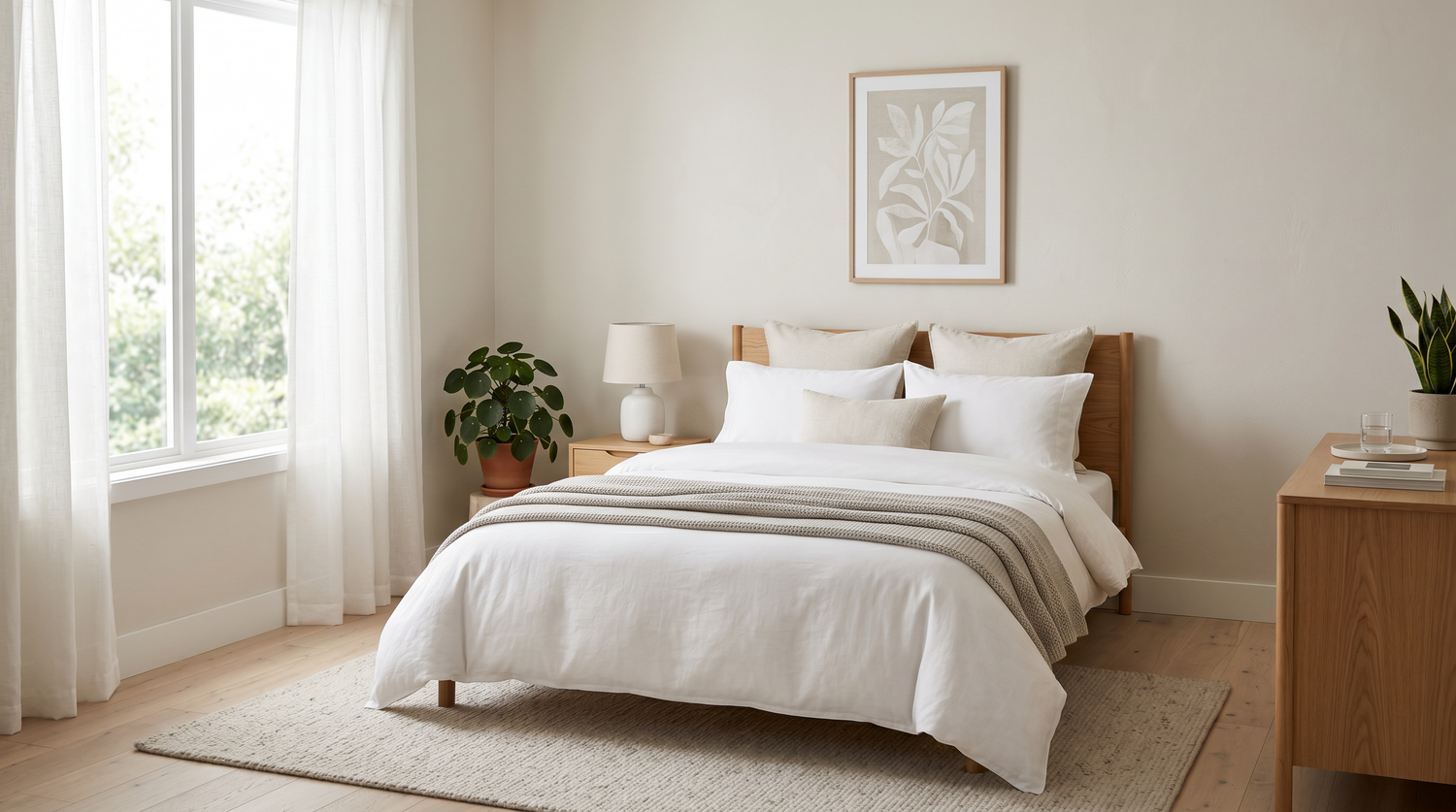
"Sleep hygiene" sounds technical, but it means something very practical: the sum of all habits and conditions that enable good sleep. Those who improve their sleep hygiene usually fall asleep faster, sleep through the night, and wake up more rested – without any aids.
The short answer: Good sleep hygiene rests on four pillars – a regular rhythm, a quiet sleep environment, sleep-promoting behavior, and appropriate nutrition. Even small changes in these areas significantly improve sleep quality.
Key takeaways
- Rhythm: fixed sleep and wake times.
- Environment: dark, quiet, cool, comfortable.
- Behavior: evening routine, reduce screen time, exercise.
- Nutrition: avoid caffeine and alcohol in the evening.
What is sleep hygiene?
The term encompasses all behaviors and environmental factors that influence our sleep. Poor sleep hygiene – such as irregular times, a lot of screen time, a restless bedroom – is one of the most common causes of poor sleep, but it can be well influenced.
The four pillars of sleep hygiene
| Pillar | What it's about | Specific measure |
|---|---|---|
| Rhythm | Stable internal clock | Fixed times, even on weekends |
| Environment | Low-stimulus sleeping place | Dark, quiet, cool, comfortable mattress |
| Behavior | Sleep-promoting routines | Evening ritual, less screen time |
| Nutrition | No stimulating substances | Avoid caffeine/alcohol in the evening |

Pillar 1: A regular rhythm
Our body loves regularity. Going to bed and getting up at similar times daily stabilizes the internal clock – falling asleep becomes easier and sleep becomes deeper. The rhythm should not deviate too much, even on weekends.
Pillar 2: The right sleep environment
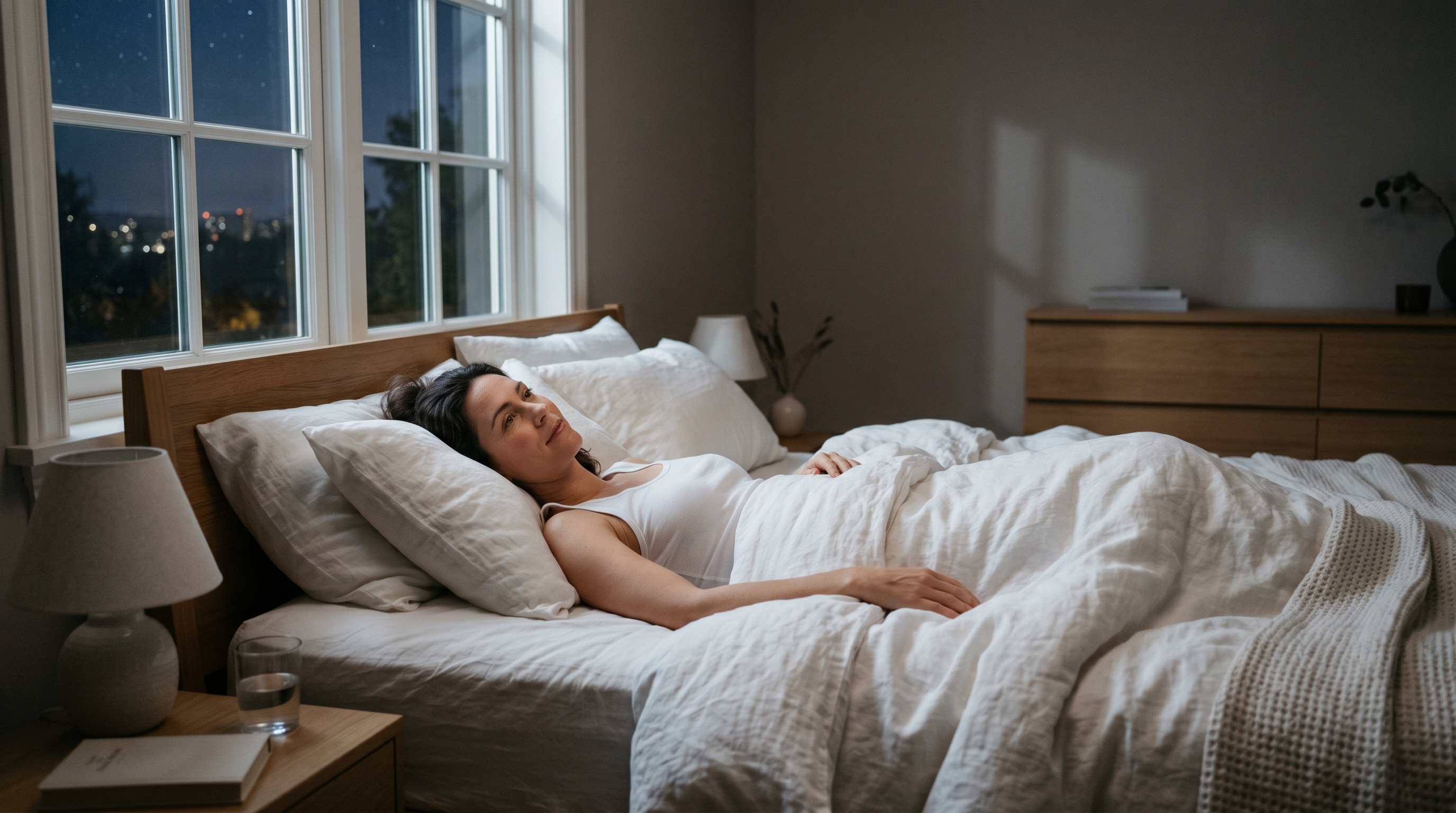
The bedroom should be dark, quiet, cool, and comfortable. Important adjustments include darkening, a comfortable sleep temperature, fresh air, and a supportive, calm sleeping surface. The mattress is the biggest comfort factor here.

Pillar 3: Sleep-promoting behavior
A fixed evening ritual, less screen time in the evening, relaxation techniques, and sufficient exercise during the day prepare body and mind for sleep. You can find concrete steps in the article Fall asleep faster.
Pillar 4: The right nutrition
Caffeine has an effect for many hours and should be avoided from the afternoon onwards. Alcohol makes you tired but disrupts the second half of the night and REM sleep. Very late, heavy meals also disturb sleep.
The most common mistakes
- Irregular sleep times and sleeping in late on weekends.
- Smartphone in bed – light and stimuli keep you awake.
- Bedroom too warm or stuffy.
- Caffeine and alcohol in the evening.
- Making the bed your workplace.
Get CHF 25 discount
Subscribe to the newsletter and receive a one-time CHF 25 discount. ✓ 200 nights trial sleep ✓ 10 years warranty
Comfort as part of sleep hygiene
A supportive, calm sleeping surface is a pillar of good sleep hygiene. The Ora Ultra Mattress with EvoPoreHRC premium memory foam adapts to your body and dampens movements – for undisturbed sleep.
Frequently asked questions about sleep hygiene
What constitutes good sleep hygiene?
A regular sleep rhythm, a dark, quiet, and cool sleep environment, sleep-promoting routines, and avoiding caffeine and alcohol in the evening.
How long does it take for better sleep hygiene to work?
First effects often appear after a few days, a stable improvement of the rhythm usually after two to four weeks of consistent implementation.
Does sleep hygiene also help with sleep disorders?
It is the most important foundation and helps with many mild sleep problems. For persistent, severe sleep disorders, medical advice should also be sought.







Leave a comment
This site is protected by hCaptcha and the hCaptcha Privacy Policy and Terms of Service apply.