
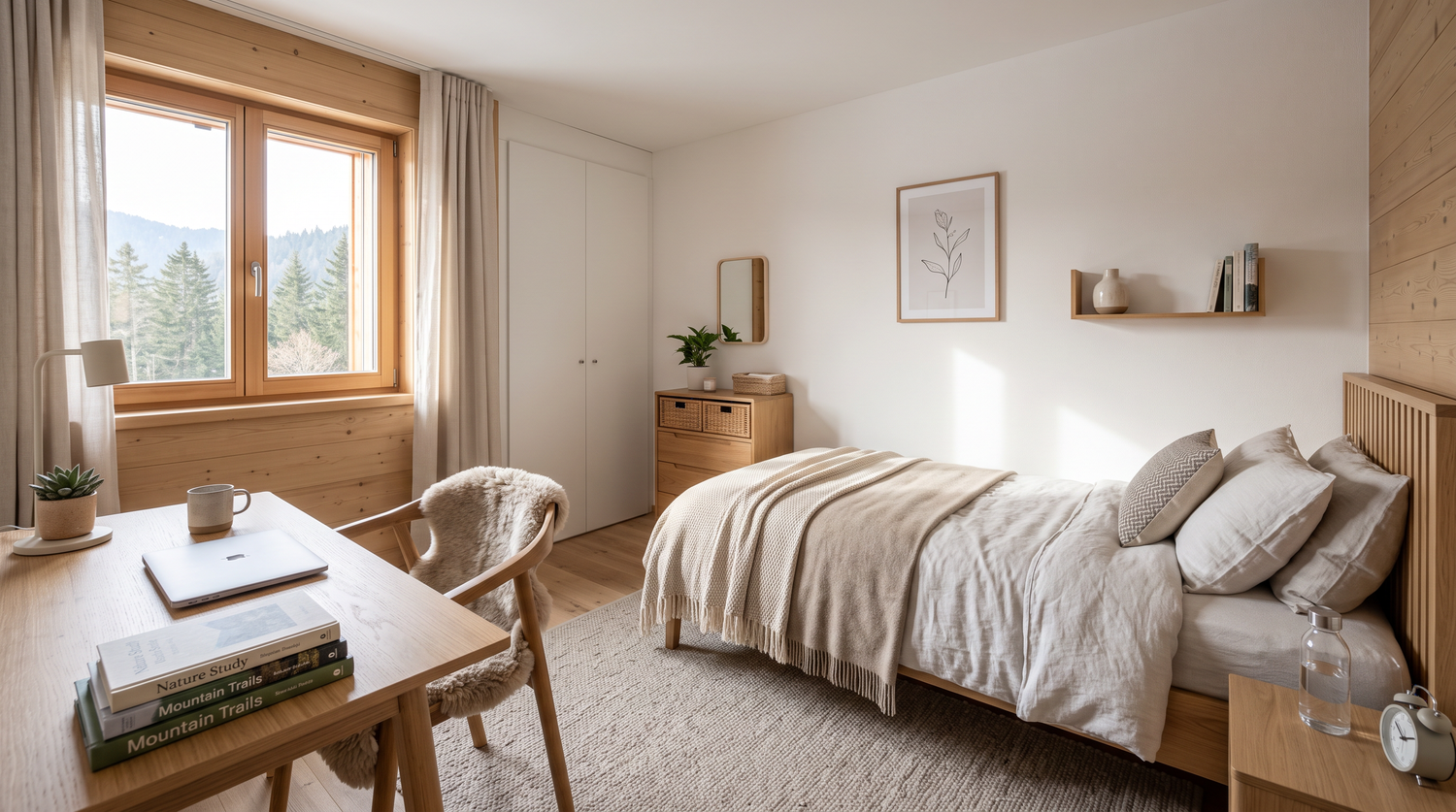
Wide awake in the evening, barely able to get out of bed in the morning – what many parents consider laziness or phone addiction has a solid biological core: teenagers' internal clocks actually tick differently. At the same time, chronic sleep deprivation among teenagers is so widespread that experts speak of a silent health problem. It's time to address the issue without blame – and with solutions that work in everyday family life.
The short answer: Teenagers need eight to ten hours of sleep per night – but often get significantly less. The reason is a combination of biology and daily life: during puberty, the internal clock shifts back by one to two hours, while school starts early. Screens, caffeine, and social pressure exacerbate the deficit. The most effective remedies are consistent sleep times (as similar as possible even on weekends), screen-free time before bed, daylight in the morning, and a bedroom that invites winding down.
- Eight to ten hours of sleep is the norm for teenagers – many get six to seven during the week.
- The shift in the internal clock during puberty is biological – getting tired later is not intentional.
- Chronic sleep deprivation affects mood, concentration, learning performance, and the immune system.
- The biggest levers: consistent times, screen limits in the evening, morning light, and a good bed.
Why teenagers get tired later
During puberty, the secretion of the sleep hormone melatonin changes: it is released later in the evening than in children or adults. The result is a real shift in the circadian rhythm – teenagers often only naturally get tired around 11 PM or later. If this biology meets a school start time of 7:30 AM, a deficit inevitably arises that accumulates over the week. This also explains excessive weekend lie-ins: it's the body's attempt to catch up on sleep debt – but unfortunately, it pushes the internal clock even further back, an effect experts call "social jet lag." You can read more about sleep types in the article on chronotypes.
How much sleep does a teenager need?
| Age | Recommended sleep duration | Typical reality during the week |
|---|---|---|
| 10–13 years | 9–11 hours | 8–9 hours |
| 14–17 years | 8–10 hours | 6–7.5 hours |
| 18–21 years | 7–9 hours | 6–7 hours |
Our overview How much sleep do people need? shows how sleep requirements change throughout life.
What chronic sleep deprivation does to teenagers
For the adolescent brain, sleep is not a luxury but working time: memories are consolidated, emotions are processed, and growth and maturation processes run at full speed. Persistent sleep deprivation therefore quickly manifests itself – in irritability and low moods, reduced concentration, poorer grades, cravings, and more frequent infections. Studies also link chronically short sleep in adolescents with increased risks for anxiety and depressive moods. It is all the more important to take the issue seriously – without turning it into a daily power struggle.

What really helps – and is sustainable in everyday life
Prohibitions alone rarely work with teenagers; jointly agreed rules whose purpose is understood are better. The most effective levers: First, consistent sleep times – even on weekends, don't sleep more than one to two hours longer to minimize social jet lag. Second, an hour of screen-free time before bed, because blue light and stimulating content further delay melatonin release – ideally, the phone charges overnight outside the room. Third, get daylight in the morning: the walk to school or bike ride recalibrates the internal clock daily. Fourth, cut out caffeine from the afternoon – energy drinks are an underestimated sleep disruptor among teenagers. And fifth: good basic sleep hygiene with a cool, dark room.

The bed grows with them: the right mattress for teenagers
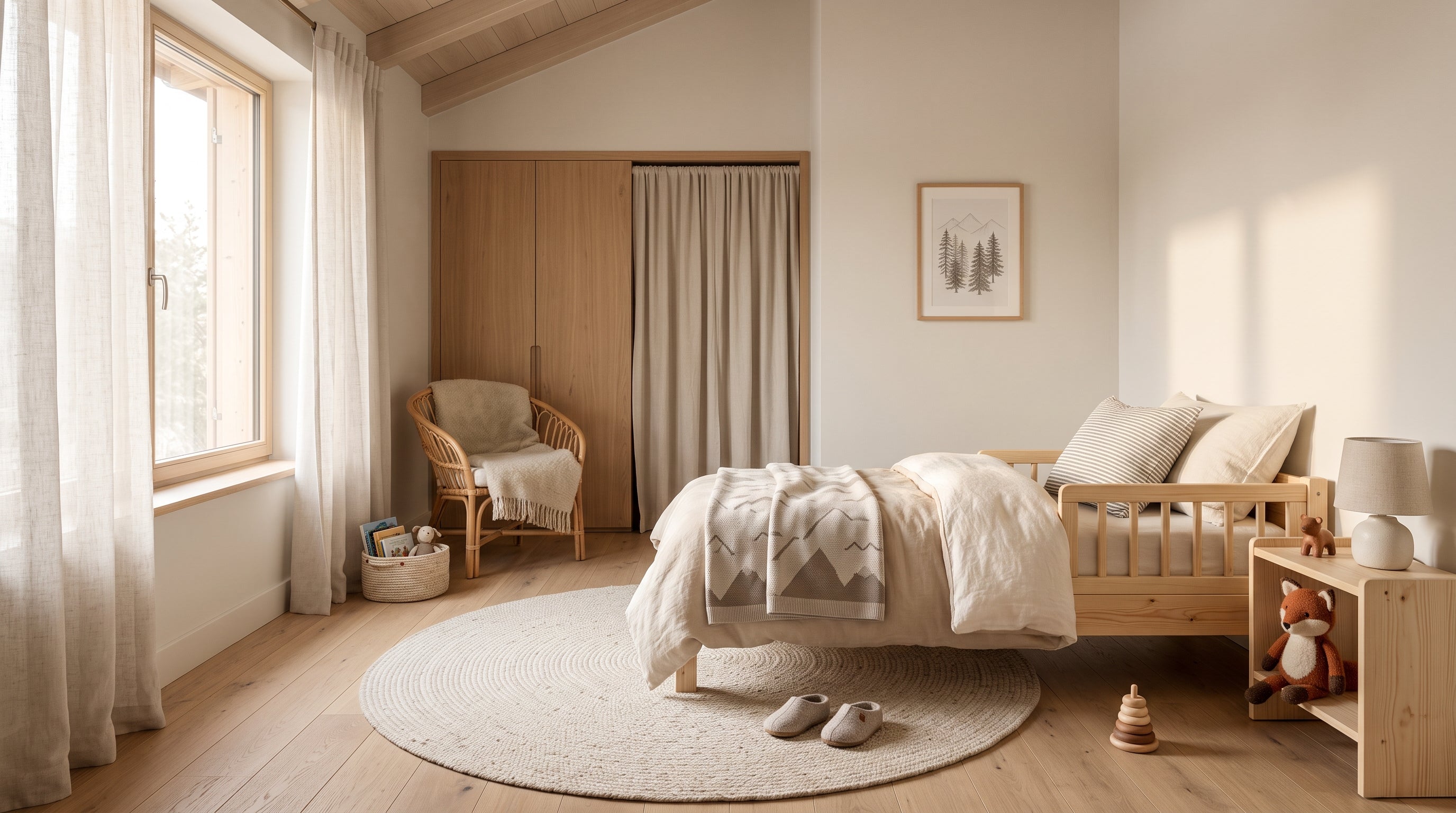
During growth spurts, teenagers' body shape and weight change rapidly – a firm mattress that fit at twelve may be completely wrong at sixteen. This is where the strength of an adaptive concept comes into play: the Ora Ultra automatically adapts to body, weight, and sleeping position with its EvoPoreHRC Premium-Memory-foam – it literally grows with them, without ever having to choose or change a firmness level. This makes it a long-lasting solution for the youth room, from teenage years until they move out.
Get CHF 25 discount
Subscribe to the newsletter and receive a one-time CHF 25 discount. ✓ 200 nights trial sleep ✓ 10-year warranty
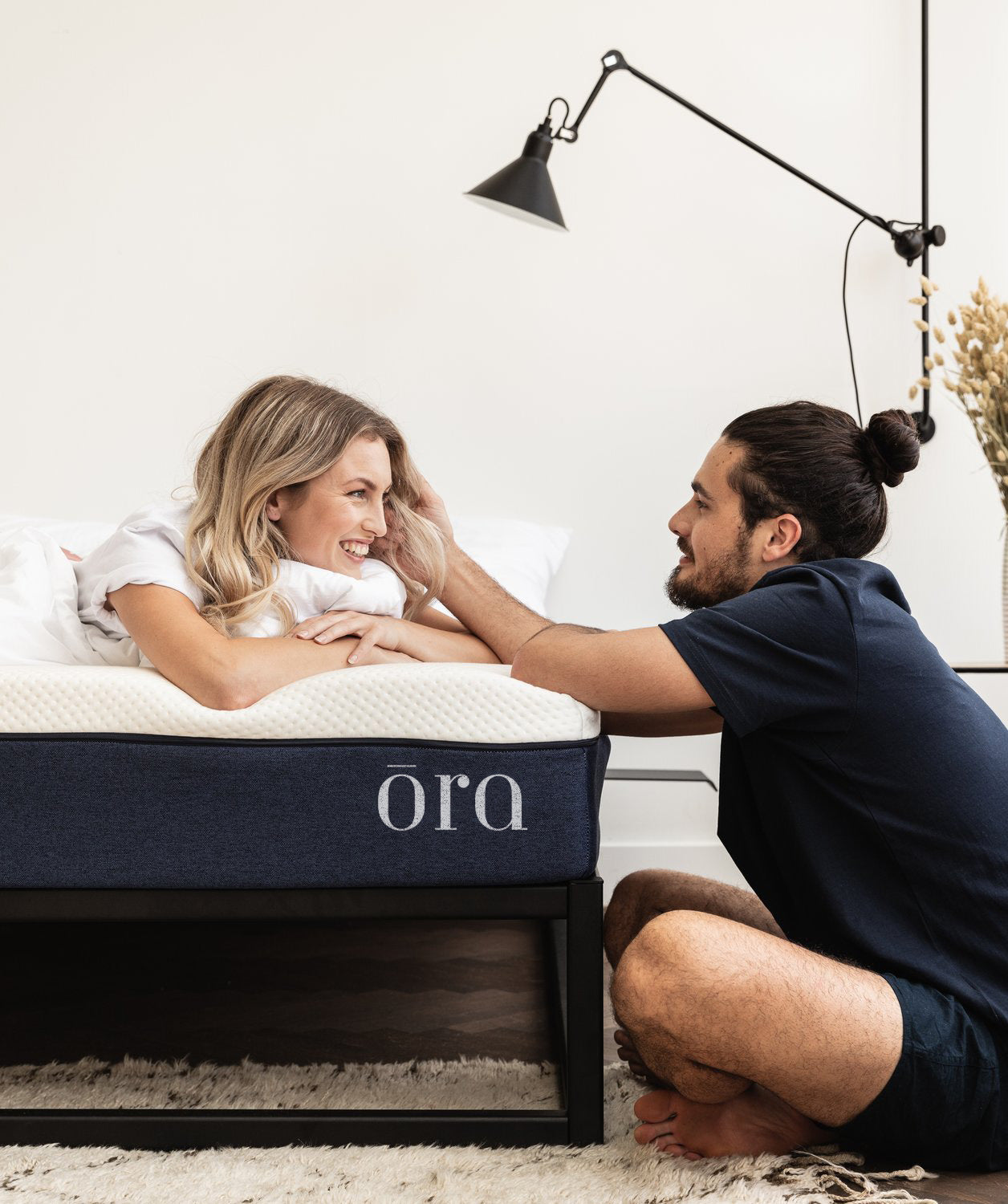
A mattress that grows with them: The Ora Ultra Mattress automatically adapts to every body – ideal for growing teenagers, without needing to change firmness. For the family budget: the tested Ora Ultra Second Life.
Frequent questions about teenagers and sleep
How much sleep does a 15-year-old really need?
Eight to ten hours per night. Those who consistently get less than eight hours accumulate a deficit that affects mood, concentration, and health – even if the teenager has subjectively "gotten used to it."
Is sleeping in late on weekends harmful?
One to two hours longer is unproblematic and helps to reduce sleep debt. However, those who sleep until midday push their internal clock further back and start the new week with "social jet lag" – making Monday mornings even harder.
Does banning phones in the evening really help?
Yes – for two reasons: the blue light from screens delays melatonin release, and chats, games, and social media keep the brain emotionally stimulated. An hour of screen-free time before bed and charging the phone outside the room are among the most effective individual measures.
When should you seek professional help?
If difficulties falling asleep persist for months, the teenager remains exhausted despite sufficient time in bed, snores heavily, or if mood and performance significantly worsen. The first point of contact is the family doctor or pediatrician.
This article serves for general information and does not replace medical advice.




Leave a comment
This site is protected by hCaptcha and the hCaptcha Privacy Policy and Terms of Service apply.