

Quickly checking the news, streaming an episode, scrolling through feeds – for most of us, the day ends in front of a screen. At the same time, more and more people are complaining about difficulty falling asleep and restless nights. No coincidence: The blue light from smartphones, tablets, and televisions directly interferes with our internal clock. In this article, we explain how blue light affects sleep, what the research truly says – and what simple measures you can take to make your evenings more sleep-friendly.
The short answer: Blue light in the evening suppresses the release of the sleep hormone melatonin and signals to the brain "It's still daytime." The result: We get tired later, have more difficulty falling asleep, and shift our internal clock backward. Added to this is the content effect – disturbing news, games, and social media further activate the brain. Those who avoid screens 60–90 minutes before bedtime, or at least choose night mode, dimmed warm light, and calm content, fall asleep measurably faster.
- Blue light (approx. 450–490 nm) inhibits melatonin more strongly than any other light color and shifts the internal clock backward.
- It's not just the light that disturbs: Interactive, emotional content also keeps the brain in wake mode.
- General rule: 60–90 minutes screen-free before bed – or at least night mode, low brightness, and distance.
- Warm, dimmed light in the evening and a dark, quiet bedroom support natural fatigue.
How blue light controls the internal clock
Our retina contains special light-sensitive cells that do not serve vision but rather timekeeping: They report light conditions to the brain and thus regulate our circadian rhythm. These cells are particularly sensitive to short-wavelength blue light – precisely the component that daylight contains in abundance at noon and that LED screens also emit.
In the evening, the pineal gland should ideally release melatonin – the hormone that prepares the body for night, lowers body temperature, and induces sleepiness. However, if blue light hits the retina, this signal is inhibited: Melatonin production starts later and is weaker. Studies show that bright screen light late in the evening can delay melatonin release by up to an hour and a half – the internal clock shifts further back evening after evening. What this means for the individual sleep stages is experienced by many as "first sleep only after midnight."
The underestimated second factor: content
Recent research puts the pure light effect into perspective – and at the same time shows why screens remain sleep killers: It is the combination of light and activation. Answering emails, reading news, or scrolling through social media shortly before bedtime keeps the brain in problem-solving mode. Dopamine, anticipation, and emotional arousal are not compatible with winding down – even with night mode activated.

Evening light sources compared
| Light source | Blue light component | Effect on sleep |
|---|---|---|
| Smartphone/Tablet (close to face) | High | Highly disruptive – short distance amplifies the effect |
| Laptop/Monitor | High | Highly disruptive, especially with bright settings |
| Television (3–4 m distance) | Medium | Moderate – distance reduces light dose |
| Bright ceiling lighting (cool white) | Medium to high | Disruptive – better to dim in the evening |
| Warm white, dimmed lamp | Low | Hardly disruptive – ideal for the evening |
| Candlelight | Very low | Virtually harmless |
7 measures for sleep-friendly evenings
1. The 60–90-minute rule
The most effective step: Turn off screens 60 to 90 minutes before bedtime. Those who consistently try this for a week usually feel a clear difference – further techniques can be found in the guide Falling asleep faster.
2. Use night mode and brightness
If you can't do without a screen: Activate night mode, set brightness to minimum, increase distance. This significantly reduces the light dose – but doesn't solve the content problem. Disturbing topics do not belong in the last hour of the day.
3. Warm light throughout the home
Dim the lighting in the evening and opt for warm white light sources. Our article on bedroom design principles shows how thoughtful lighting and furnishings promote sleep.
4. Banish the smartphone from the bedroom
Those who wake up at night and reach for their phone expose themselves to a stimulant in the middle of the night – a common amplifier of sleep maintenance insomnia. A classic alarm clock replaces the alarm function, and the phone charges in another room.
5. Get daylight in the morning
The internal clock needs contrast: plenty of bright light in the morning, little in the evening. Just 20–30 minutes of daylight after getting up stabilizes the rhythm and makes you tired on time in the evening.
6. Particularly important for children and teenagers
Young eyes let more blue light through, and teenagers' internal clocks are already ticking later. Screen-free times before bedtime are particularly effective here – our guide Helping children sleep better provides practical tips.
7. Design the bedroom as a quiet zone
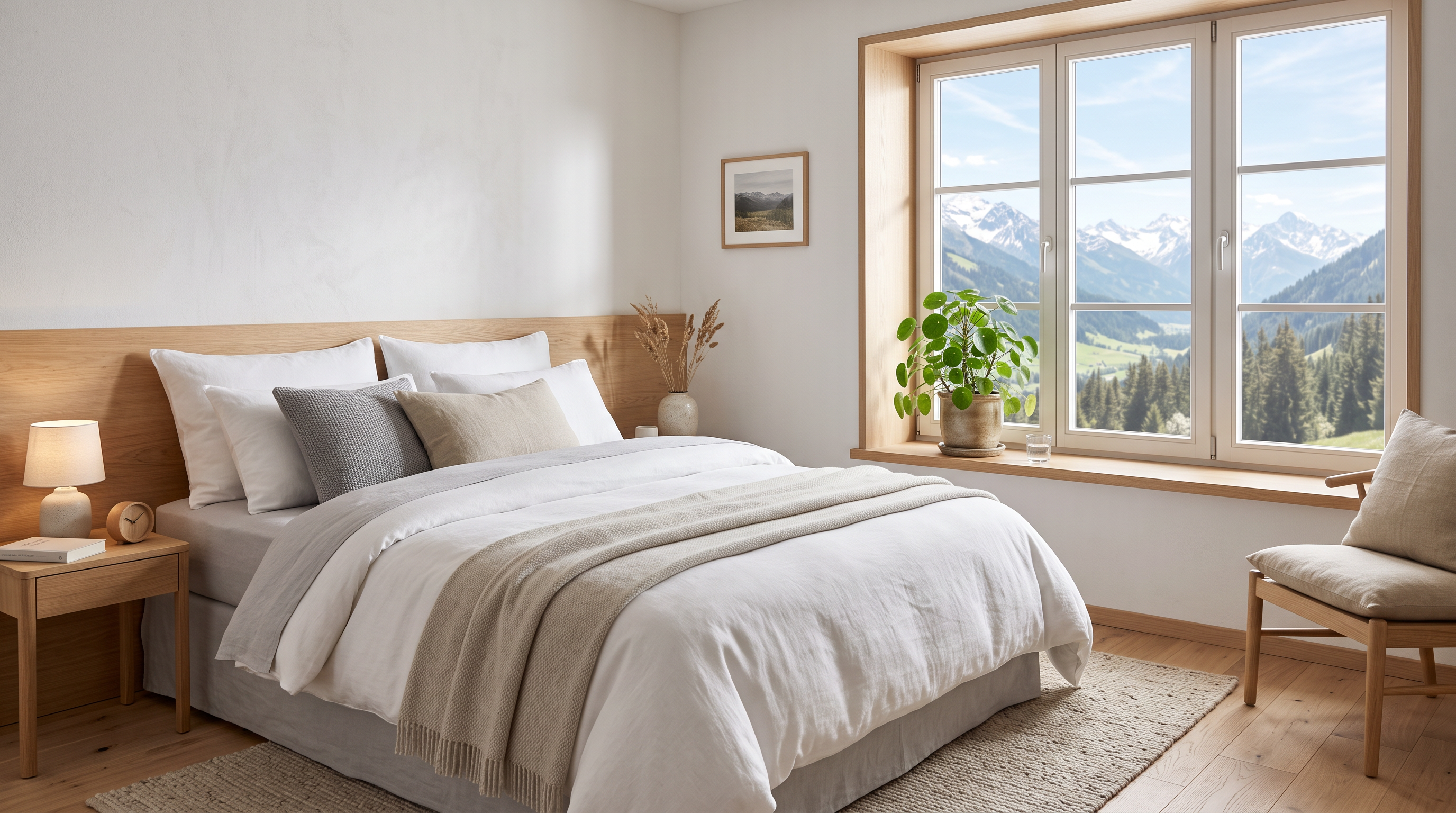
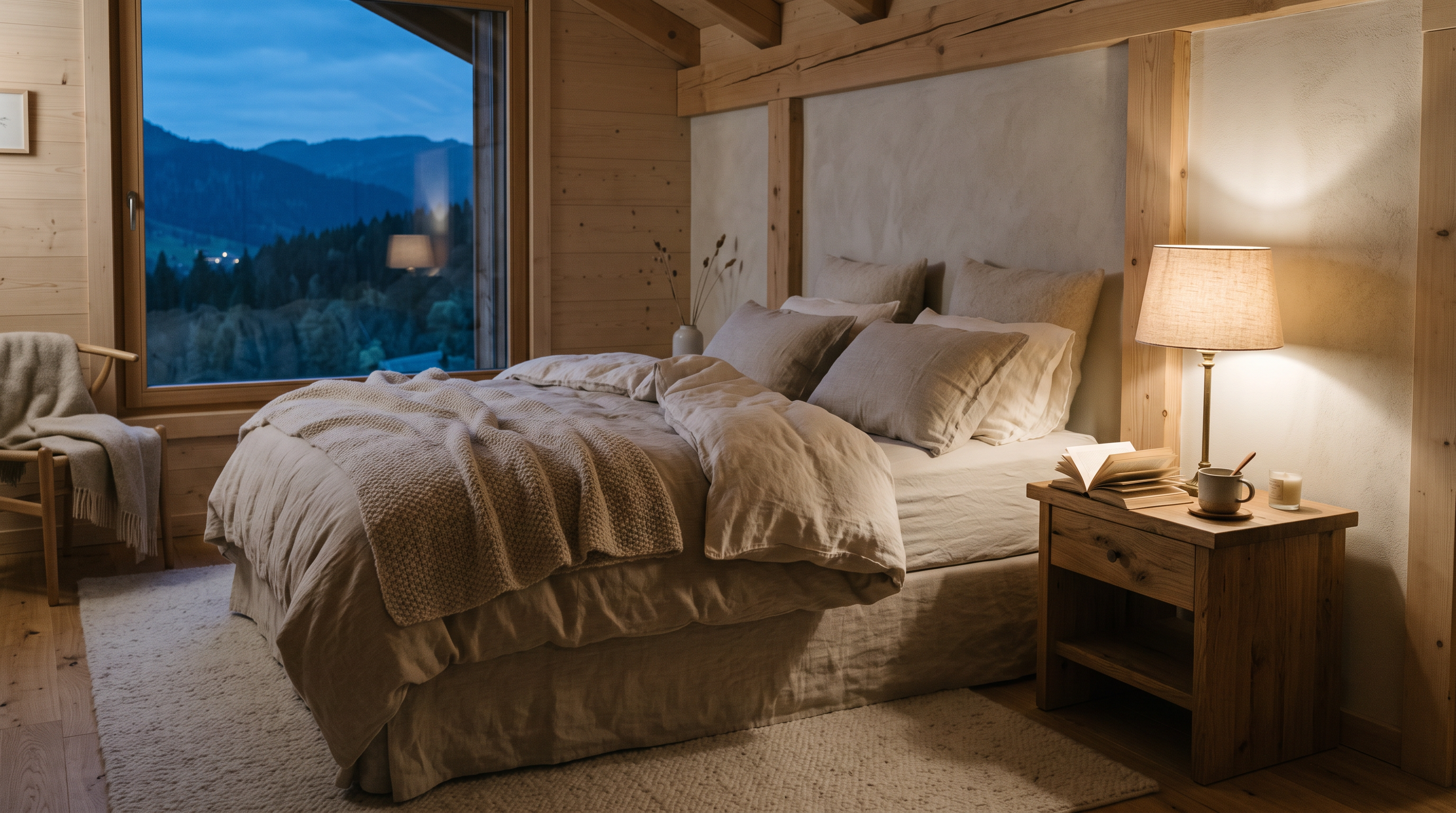
Dark, cool, quiet – and comfortable: In addition to light and temperature, the mattress determines whether the body converts the accumulated fatigue into restful sleep. Rigid firmness levels are an outdated, non-standardized concept; modern materials like the EvoPoreHRC premium memory foam of the Ora mattress automatically adapt to the body and sleeping position – for peaceful nights without adjustment and trial and error. All the basics can be found in our overview of sleep hygiene.

Get a CHF 25 discount
Subscribe to our newsletter and receive a one-time CHF 25 discount. ✓ 200 nights trial sleep ✓ 10-year warranty
Digital Detox deserves the right mattress
When the evening is finally screen-free, the night should deliver what the fatigue promises: The Ora Ultra Mattress automatically adapts to the body and sleeping position with adaptive EvoPoreHRC premium memory foam – one mattress for everyone, without firmness selection. As a sustainable option, there is the Ora Ultra Second Life Mattress. Both with 200 nights of trial sleep and a 10-year warranty.
Frequently Asked Questions About Blue Light and Screens in the Evening
How long before bed should you avoid screens?
As a rule of thumb, 60 to 90 minutes. During this time, melatonin production can start undisturbed, and the brain can switch from active to rest mode. Even 30 minutes is better than nothing.
Do blue light filters and night mode really help?
They reduce the light dose and are therefore useful – but not a free pass. Studies show that even filtered screen light at high brightness suppresses melatonin and that activating content keeps you awake regardless of the light color. Night mode plus dimmed brightness plus calm content is the realistic compromise formula.
Is watching TV before bed as bad as using a smartphone?
Usually a little less so: The greater distance to the screen reduces the amount of light reaching the retina, and passive viewing activates less than scrolling or gaming. However, late, disturbing movies and falling asleep in front of a running TV still disrupt the night.
Why does using a phone at night in bed make you so awake?
Triple effect: The blue light acutely suppresses melatonin, the short distance to the face increases the light dose, and content like news or social media triggers anticipation and emotions. The brain interprets all of this as "day" – and shuts down sleep mode.
Are children more sensitive to blue light?
Yes. Children's eyes have clearer lenses and allow significantly more short-wavelength light to pass through to the retina. Furthermore, the developing internal clock is more sensitive. Fixed screen-free times before bedtime are therefore particularly important for children and teenagers.
This article is for general information purposes only and does not replace medical advice.








Leave a comment
This site is protected by hCaptcha and the hCaptcha Privacy Policy and Terms of Service apply.