
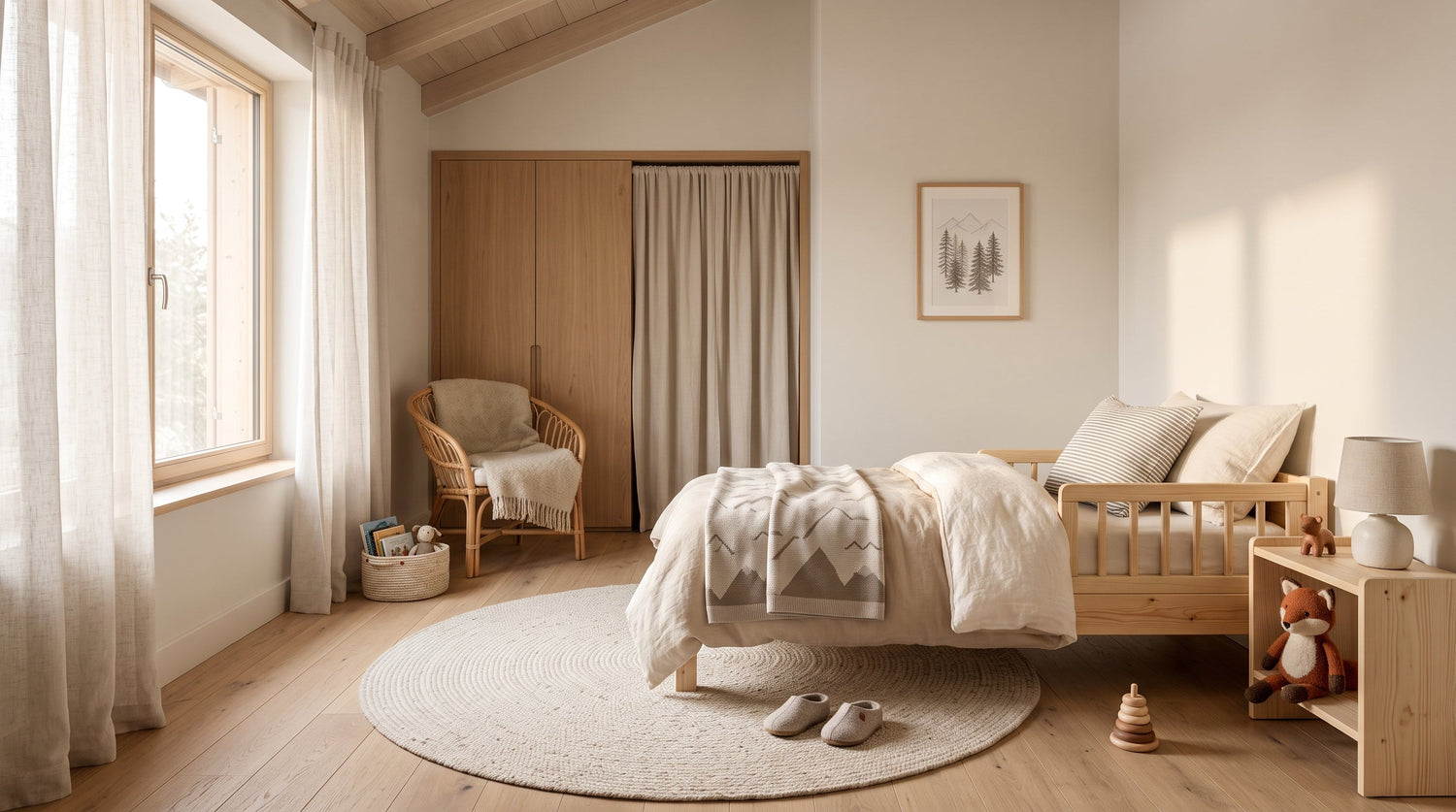
For weeks, things went well – and suddenly everything changed: The child wakes up hourly, resists bedtime, and naps are skipped. Many parents doubt themselves during such phases. However, it's usually not a parenting lapse but a so-called sleep regression: a temporary phase in which major developmental leaps disrupt sleep. The good news: It will pass – and there are ways to get through it more calmly.
The short answer: Sleep regressions are normal, temporary phases of restless sleep linked to developmental leaps – typically around 4, 8–10, 12, 18, and 24 months. They usually last two to six weeks. The most important thing for parents: stay calm, stick to familiar routines and sleep times, offer plenty of closeness and opportunities for movement during the day – and don't create new permanent habits that would have to be unlearned after the regression.
- Sleep regressions accompany major developmental milestones: crawling, walking, language explosion, autonomy phase.
- Typical time windows are around 4, 8–10, 12, 18, and 24 months – not every child experiences every phase noticeably.
- The phase usually lasts two to six weeks and ends on its own.
- Consistency wins: maintain familiar rituals and sleep times instead of trying new strategies daily.
What happens in a child's mind during a sleep regression
A toddler's brain is a construction site operating non-stop. When a major developmental step is imminent – motor, linguistic, or emotional – the brain also works at full throttle at night: new things are processed, practiced, and consolidated. At the same time, the sleep architecture changes; the sleep phases reorganize themselves. The result: lighter sleep, more frequent awakenings, more need for closeness and reassurance. Added to this are external triggers such as teething, infections, daycare adjustment, or the move from a crib to a big bed – often several things coincide.
An overview of the typical regression phases
| Age | Developmental background | Typical signs |
|---|---|---|
| Approx. 4 months | Maturation of sleep cycles | Frequent waking after 45 minutes, short naps |
| 8–10 months | Crawling, pulling up, stranger anxiety | Separation anxiety at bedtime, practicing in bed at night |
| Approx. 12 months | Learning to walk, first words | Resistance to nap, early waking |
| Approx. 18 months | Autonomy phase, language surge | Power struggles in the evening, calling for parents |
| Approx. 24 months | Imagination, first fears, often bed change | Fear of darkness, getting out of big bed |
What helps now: Calmness, routines, realism
The most important principle is: consistency beats creativity. Parents who try new bedtime strategies daily during regression will additionally unsettle the child. Stick to the familiar evening ritual – same order, same time, quiet winding down. During the day, plenty of fresh air and opportunities to extensively practice new skills help – what has been practiced during the day needs to be made up for less at night. And: Offer closeness and comfort without establishing permanent new habits that you don't want to maintain later. Briefly accompany, reassure, then leave – rather do it more often, but calmly.

The sleep environment: a stable framework for restless weeks
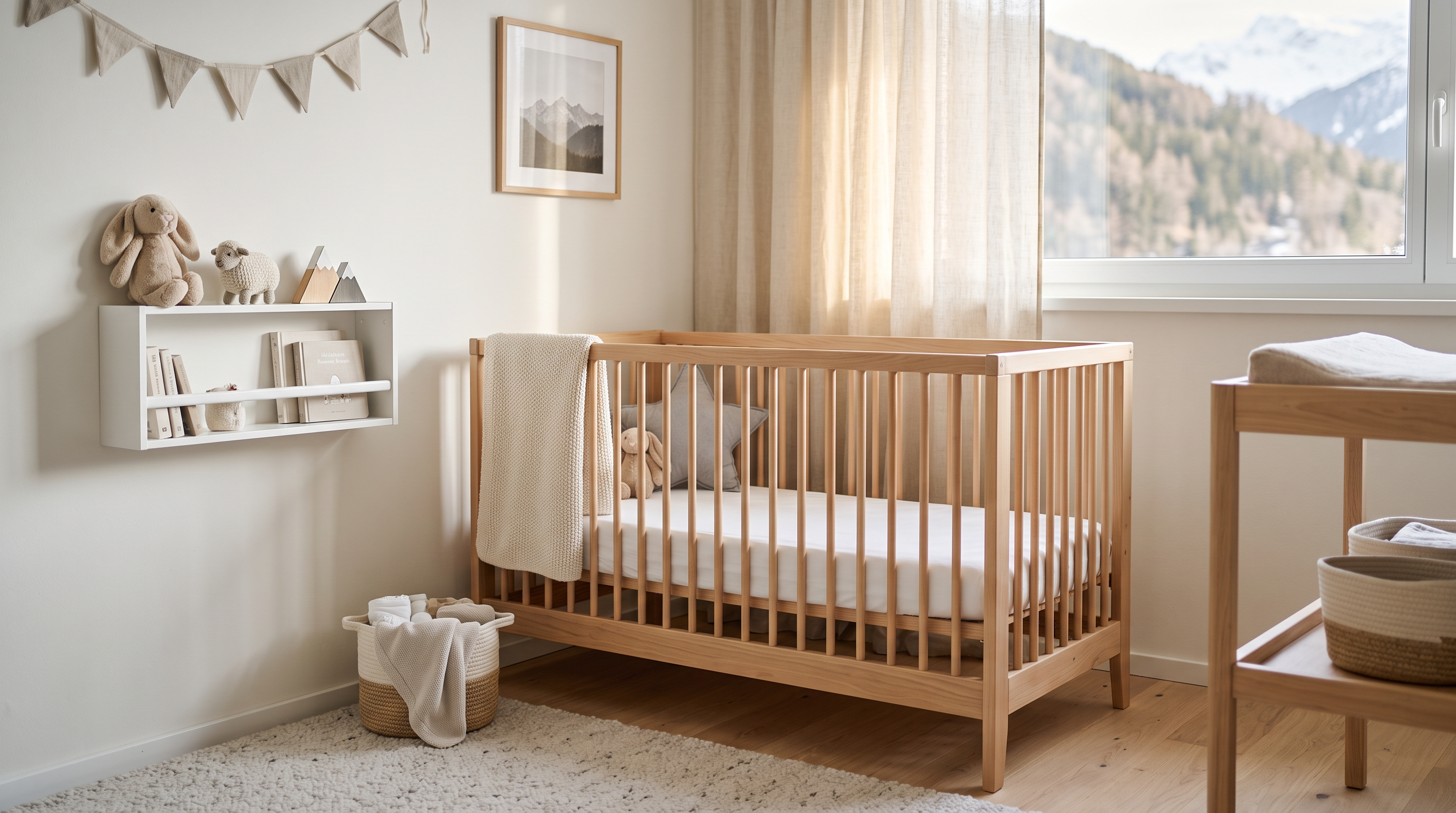
A low-stimulation, reliable sleep environment makes the restless weeks easier: a darkened room, a comfortable 16 to 19 degrees Celsius, a familiar cuddly toy, and possibly a dim night light to combat emerging fear of the dark. When transitioning from a crib to a big bed, it's worth checking the mattress: a suitable, firm, and pollutant-tested mattress provides little bodies with the necessary support – our children's mattress guide summarizes the criteria. The ideal sleep temperature and good sleep hygiene also work for children just as they do for adults.

Don't forget: Your own sleep
Regression phases take their toll on parents – which is why it's all the more important that the few hours of sleep are truly restful. Take turns at night where possible, and go to bed earlier while the phase lasts. And honestly check if your own bed is still doing its job: a mattress that automatically adapts to your body and sleeping position and dampens partner movements, like the Ora Ultra with EvoPoreHRC Premium memory foam, maximizes short nights – without having to guess the firmness level.
Get a CHF 25 discount
Subscribe to the newsletter and receive a one-time CHF 25 discount. ✓ 200 nights trial sleep ✓ 10-year warranty
Rest for tired parents: The Ora Ultra mattress automatically adapts to body and sleep position and dampens nocturnal movements – so every hour of sleep counts. Price-conscious families choose the tested Ora Ultra Second Life.
Frequently asked questions about sleep regression
How long does a sleep regression last?
Usually two to six weeks. If the restless phase lasts significantly longer or is accompanied by fever, pain, or unusual breathing, a pediatrician should be consulted.
How do I know if it's a regression and not another problem?
Typically, it's a sudden onset after a stable sleep phase, coinciding with a visible developmental step – and the child is fit and happy during the day. Illness, pain, or persistent behavioral changes suggest other causes.
Should I introduce new sleep aids during regression?
Preferably not permanently. More closeness and support short-term are right and important – but habits like being carried around at night or only falling asleep in the parents' bed often last longer than the regression itself.
Do we have to go to bed earlier during regression?
Often yes: Overtiredness worsens the problem because overstimulated children have more difficulty falling asleep. Moving bedtime forward by 30 to 60 minutes can significantly ease the situation.
This article is for general information purposes only and does not replace medical advice.








Leave a comment
This site is protected by hCaptcha and the hCaptcha Privacy Policy and Terms of Service apply.