
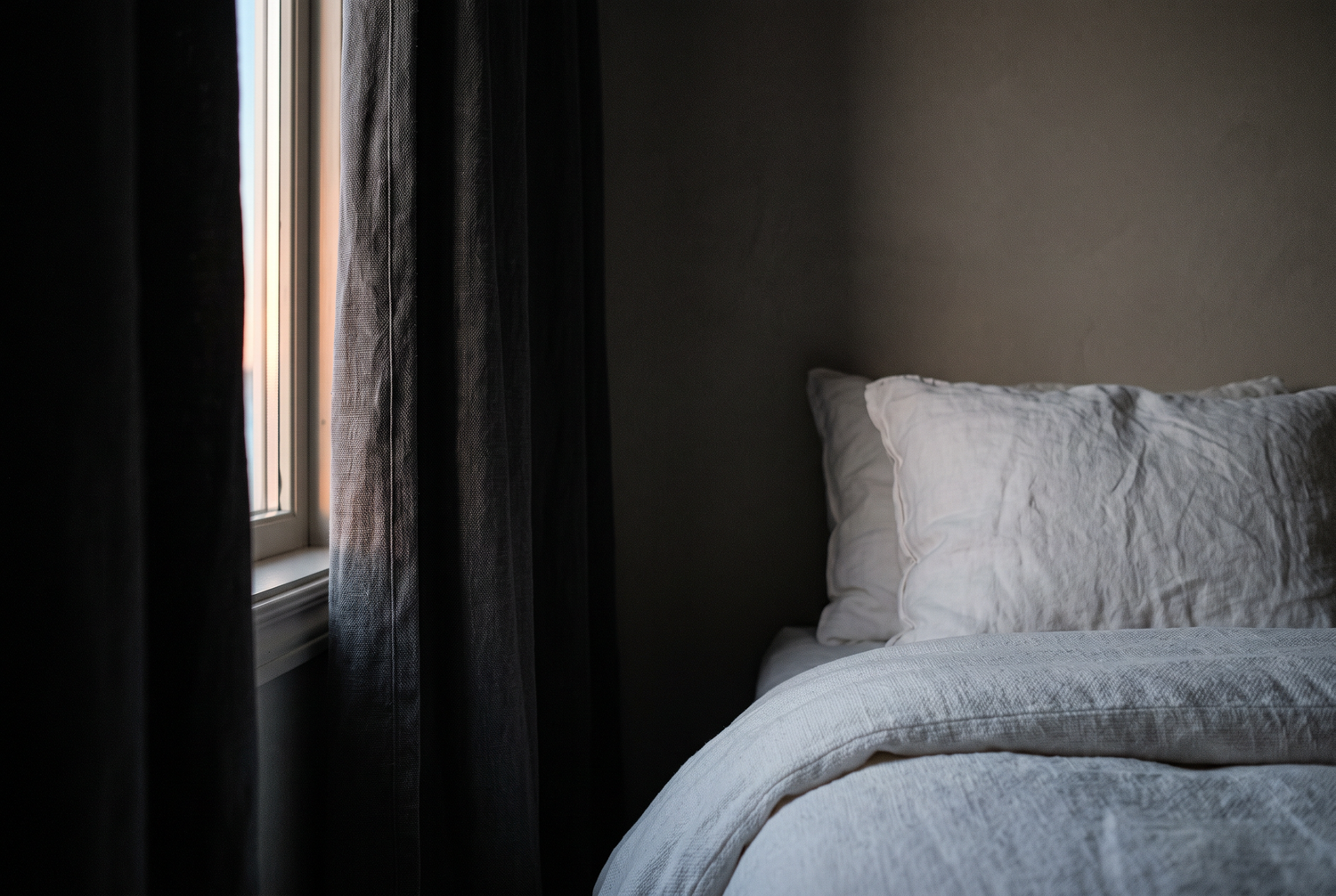
You sleep seven hours and still don't feel rested – and your sleep app only shows 45 minutes of deep sleep. No wonder the question of how to increase deep sleep is one of the most common. Deep sleep is the phase in which the body repairs tissues, strengthens the immune system, and the brain removes metabolic waste products. Those who don't get enough deep sleep feel it more profoundly the next day than with a shortened dream phase. The good news: the proportion of deep sleep can be influenced – though with different methods than many expect. This article shows what demonstrably works and what is pure marketing.
The short answer: Increasing deep sleep is mainly achieved through three levers: sufficient sleep pressure, physical activity during the day, and a cool, dark, quiet sleep environment. A healthy adult spends about 13 to 23 percent of the night in deep sleep, concentrated in the first two sleep cycles. Alcohol, late heavy meals, high room temperature, and irregular bedtimes reliably reduce it. Products and devices that promise more deep sleep usually do not deliver. And: the percentage figures from fitness trackers are only rough estimates.
- About 13–23 percent deep sleep is normal, mostly in the first half of the night.
- Regular exercise and a consistent sleep rhythm are the most reliable ways to increase deep sleep.
- Alcohol in the evening significantly suppresses deep sleep in the second half of the night.
- The proportion of deep sleep decreases with age – this is normal and not a sign of illness.
What actually happens during deep sleep
Deep sleep, technically N3 or Slow-Wave Sleep, is the phase with the slowest brain waves. Pulse and breathing are at their daily minimum, muscles are relaxed, and the body releases most of the night's growth hormone. At the same time, the glymphatic system is active: the fluid space between nerve cells expands, allowing metabolic products to be removed more efficiently. Memory consolidation also benefits – facts and learned information are transferred from short-term to long-term memory. Being awakened from a deep N3 phase feels particularly unpleasant; this is precisely where the feeling of being "torn from deep sleep" comes from. You can read about how the individual stages are distributed throughout the night in the article on sleep phases.
How much deep sleep is normal?
A healthy adult spends an average of 13 to 23 percent of total sleep time in deep sleep. For seven hours of sleep, this corresponds to approximately 55 to 95 minutes. The unequal distribution is striking: in the first two cycles of the night, deep sleep often accounts for 30 to 40 percent of a cycle, while towards morning it drops to almost zero, as REM proportions increase. This is why going to bed late, while waking up at the same time, primarily costs deep sleep. Another point often causes unnecessary worry: the proportion of deep sleep decreases with age. For those over 60, significantly shorter N3 phases are normal.

Increasing deep sleep: comparing measures
Not everything sold as a deep sleep booster has a reliable basis. The following overview classifies the most common approaches.
| Measure | Expected effect | Effort |
|---|---|---|
| Fixed bedtimes and wake-up times (±30 min.) | High | Low, but discipline needed |
| Endurance training 3–5× per week | High | Medium |
| Cool bedroom to 16–19 °C | Medium to high | Low |
| Avoid alcohol in the evening | Medium to high | Low |
| Complete blackout | Medium | Low |
| Dietary supplements without deficiency | Low | Ongoing costs |
The four most effective adjustments in detail
1. Build up sleep pressure instead of fragmenting it
Deep sleep arises from sleep pressure, which builds up throughout the day due to the accumulation of adenosine. Anyone who sleeps for more than 30 minutes in the afternoon prematurely reduces this pressure. A short power nap is unproblematic, but a two-hour nap will measurably cost you deep sleep during the night. Sleeping in on weekends also shifts your rhythm.
2. Exercise during the day
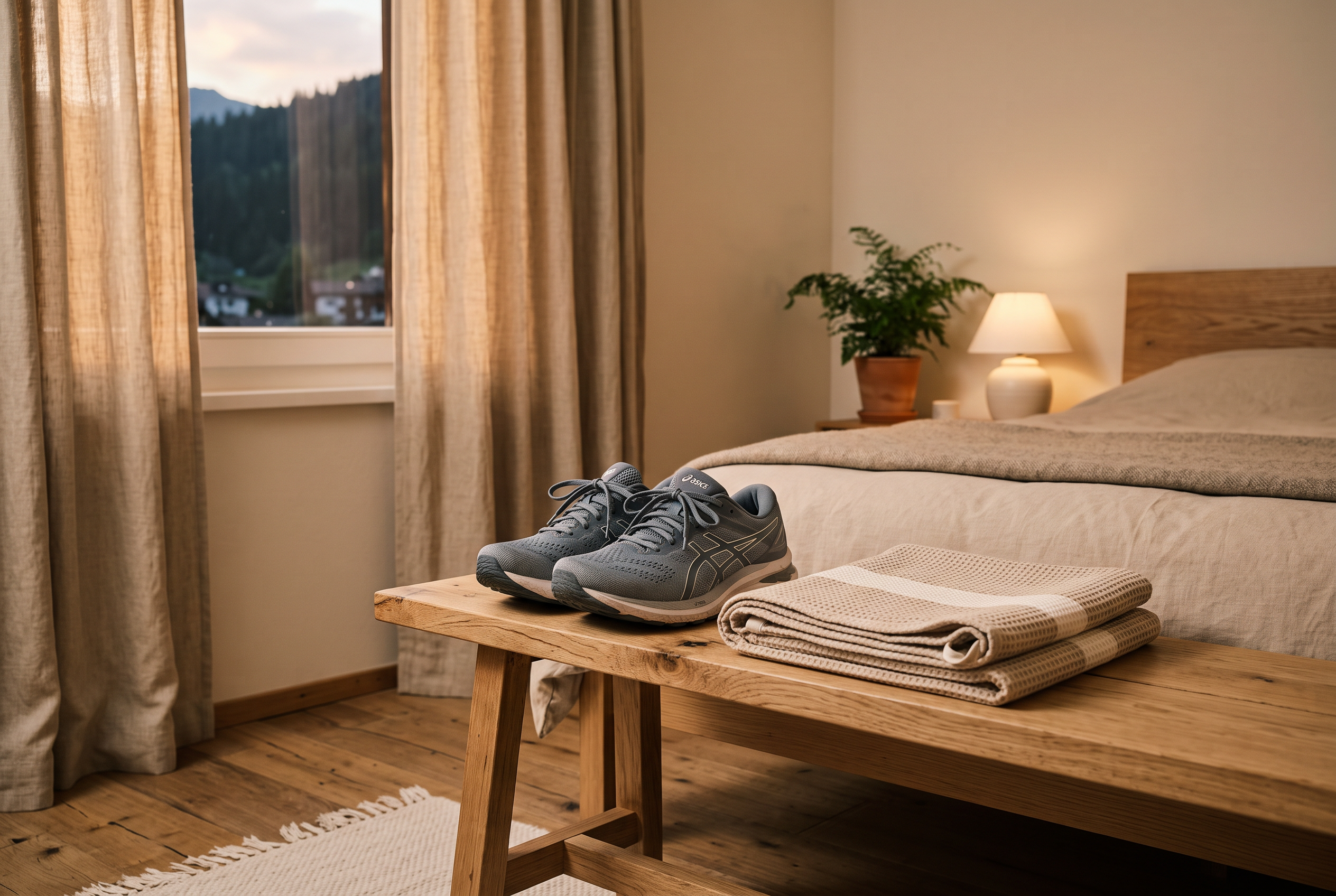
Regular endurance training has been shown in studies to increase the proportion of slow brain waves. The effect becomes apparent after several weeks of continuous training, not after a single session.
3. Temperature and darkness
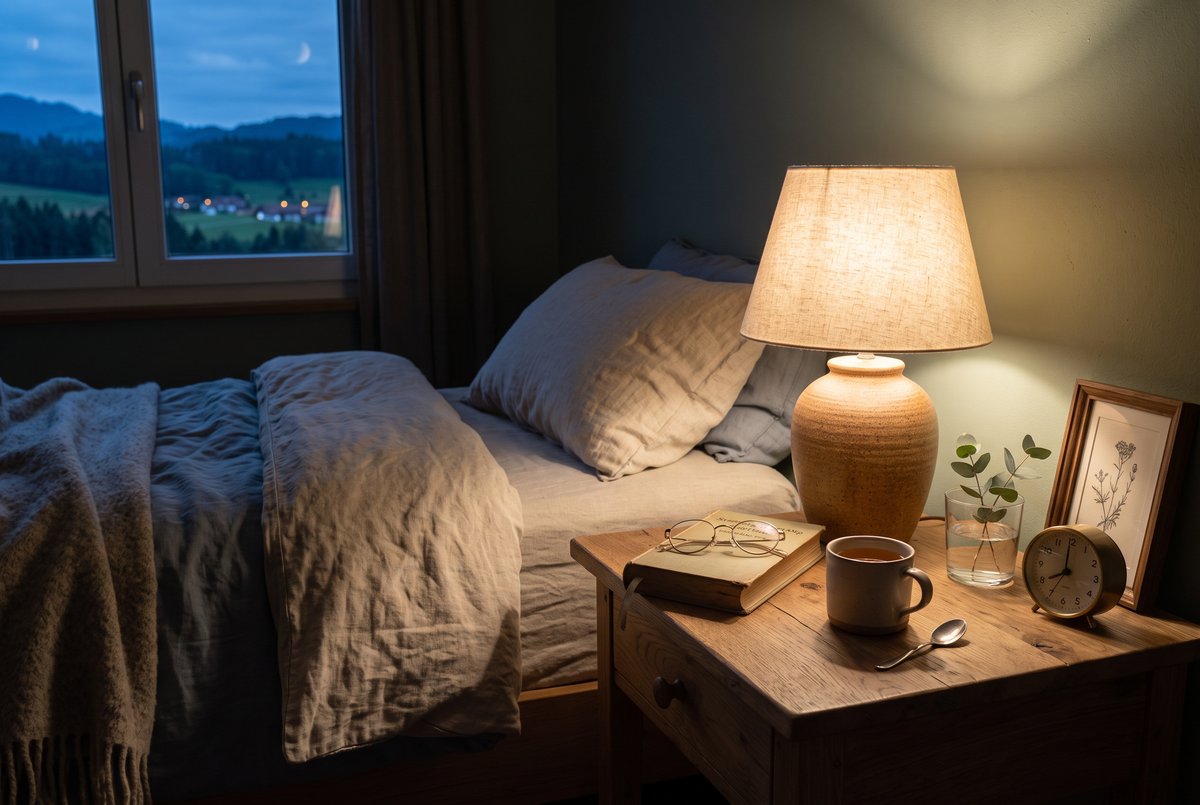
A cool room supports the nocturnal drop in body temperature. The ideal sleep temperature for most people is between 16 and 19 degrees Celsius. Complete darkness reduces nocturnal awakenings.
4. Avoid alcohol
While alcohol helps you fall asleep faster, it significantly suppresses the deep sleep architecture in the second half of the night. More details can be found in the article on alcohol and sleep quality.
Why your sleep tracker doesn't tell the whole truth
Wrist-worn trackers measure movement, heart rate, and heart rate variability, and from these, they infer sleep stages. Compared to a sleep lab examination, the general distinction between wake and sleep is usually quite accurate, but the assignment of individual stages is much less so. Deep sleep values often deviate significantly, and different devices provide different numbers on the same night. Therefore, use the data as a trend over weeks, not as a diagnosis of individual nights. If you are intensely preoccupied with your own values and it leads to poorer sleep, you should consciously pause using the tracker. More on this in the article on sleep trackers and wearables.

Get CHF 25 discount
Subscribe to our newsletter and receive a one-time CHF 25 discount. ✓ 200 nights trial sleep ✓ 10 years warranty
Frequently asked questions about deep sleep
How much deep sleep does an adult need per night?
As a guideline, 13 to 23 percent of total sleep time, which for seven hours of sleep means about 55 to 95 minutes. Individual needs vary and depend heavily on age. What matters less is the exact value and more the feeling of being rested and productive during the day.
Can I specifically make up for deep sleep?
Partially, yes. After a night with little sleep, the deep sleep component compensatorily increases in the following night – the body prioritizes N3 over REM. However, a permanent deficit cannot be made up this way, which is why regularity is more important than individual long nights.
Why does my deep sleep decrease with age?
With increasing age, sleep architecture changes: slow brain waves become shallower and N3 phases shorter. This is a normal physiological process and, in itself, not a sign of illness, even if sleep becomes more susceptible to disturbances as a result.
Do dietary supplements help to increase deep sleep?
Without a proven deficiency, the benefit is small. Individual substances show small effects in studies that are hardly noticeable in everyday life. Lifestyle factors such as rhythm, exercise, alcohol abstinence, and sleep environment are much more reliable.
Is it bad if my tracker shows little deep sleep?
Not necessarily. Wrist-worn trackers estimate sleep stages indirectly via movement and pulse and are often inaccurate in assigning deep sleep. Use the values as a rough trend. If you consistently feel exhausted during the day, a medical examination is more sensible than an app.
This article is for general information purposes only and does not replace medical advice.







Leave a comment
This site is protected by hCaptcha and the hCaptcha Privacy Policy and Terms of Service apply.