
A glass of wine to unwind, a beer after work – for many, alcohol is part of their evening ritual. And indeed, a "nightcap" makes you noticeably tired and often helps you fall asleep faster. But what feels like a sleep aid is, in reality, one of the biggest killers of sleep quality. In this article, we'll examine what alcohol does to individual sleep stages, at what quantity it becomes critical, and what alternatives can truly help you relax in the evening.
The short answer: While alcohol shortens the time it takes to fall asleep, it significantly worsens sleep quality. It suppresses REM sleep in the first half of the night, leads to frequent awakenings in the second half (rebound effect), promotes snoring and sleep apnea, raises pulse and body temperature, and acts as a diuretic. Even one or two glasses in the evening measurably reduce the restorative quality of the night – restful sleep and alcohol simply don't mix well.
- Alcohol initially has a sedative effect, but the second half of the night becomes restless, light, and interspersed with waking phases.
- REM sleep, vital for memory and emotional processing, is suppressed even by moderate amounts.
- Alcohol relaxes throat muscles: snoring and sleep apnea increase significantly.
- At least 3–4 hours between the last drink and bedtime noticeably reduces its disruptive effect.
Why alcohol makes you tired – and yet disrupts sleep
Alcohol enhances the effect of the calming neurotransmitter GABA in the brain. This dampens the activity of the nervous system – we become drowsy and often fall asleep faster. The problem is that while the liver metabolizes alcohol (about 0.01% per hour), the effect reverses. The body releases activating substances, pulse and stress hormones rise, and sleep becomes shallow. This is precisely when important REM and deep sleep phases are due, and the night is most susceptible to disturbance.
The rebound effect in the second half of the night
A typical pattern after a lively evening: you fall asleep like a log – and wake up wide awake at three or four in the morning, often with a racing heart and thirst. This early awakening is no coincidence, but rather the so-called rebound effect: the nervous system overcompensates for the previous damping. If you regularly struggle with this, you'll find further causes and solutions in our article on problems staying asleep.
REM sleep: the first victim
Even moderate amounts of alcohol suppress REM sleep – the phase in which the brain processes experiences, regulates emotions, and consolidates what has been learned. The consequences the next day: poorer concentration, irritable mood, sluggish thinking – even if the sleep duration was normal.
Snoring and sleep apnea
Alcohol relaxes the muscles in the throat area. The airways narrow, and the tissue vibrates more: snoring becomes louder and more frequent, and in susceptible individuals, the number of breathing pauses increases significantly. More on this in our articles on reducing snoring and how to recognize sleep apnea.

Alcohol and sleep at a glance
| Aspect | With alcohol in the evening | Without alcohol |
|---|---|---|
| Time to fall asleep | Shorter (sedative effect) | Normal |
| REM sleep | Suppressed, especially in the first half of the night | Undisturbed |
| Second half of the night | Shallow, frequent awakenings, racing heart | Stable sleep cycles |
| Snoring/breathing | Significantly increased | Unchanged |
| Nighttime toilet visits | More frequent (diuretic) | Less frequent |
| Recovery in the morning | Reduced, often headache and thirst | Full |
At what quantity does it become critical?
The disruptive effect is dose-dependent but begins earlier than many people think. Sleep lab analyses show that even small amounts (about one glass of wine or beer) can reduce the measured restorative quality of sleep by almost one tenth, moderate amounts by about a quarter, and larger amounts by up to 40 percent. Timing is also crucial: the closer the last drink is to bedtime, the stronger its impact on the night. As a rule of thumb, allow at least 3–4 hours between your last drink and bedtime – by then, most of the alcohol will have been metabolized before you fall asleep.
Better relaxation: Alternatives to a nightcap
Relaxation rituals instead of alcohol
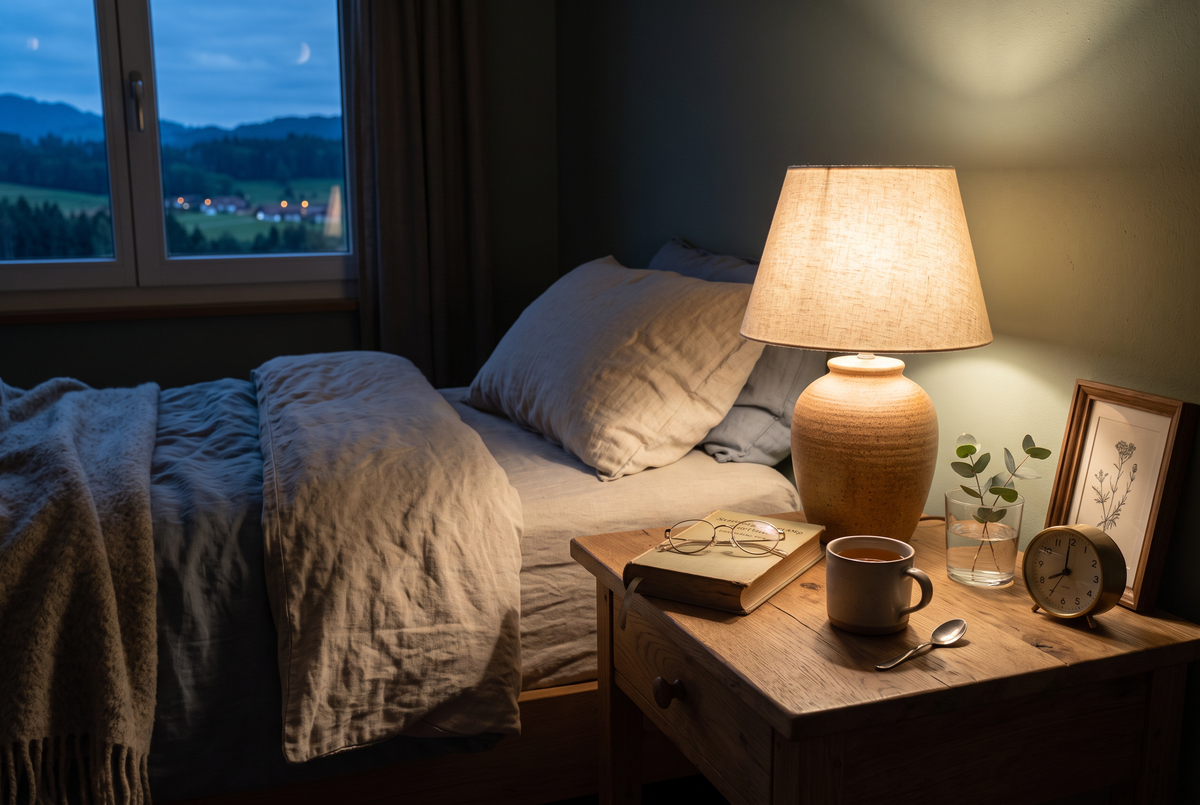
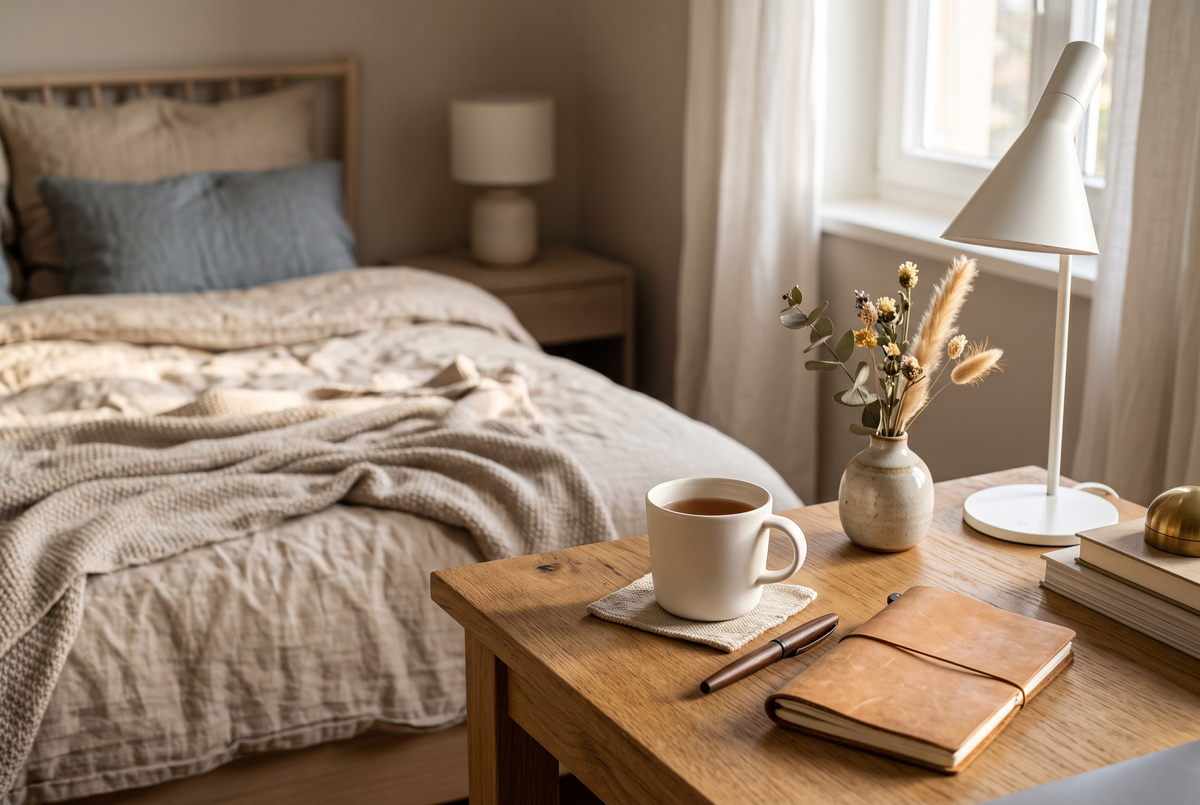
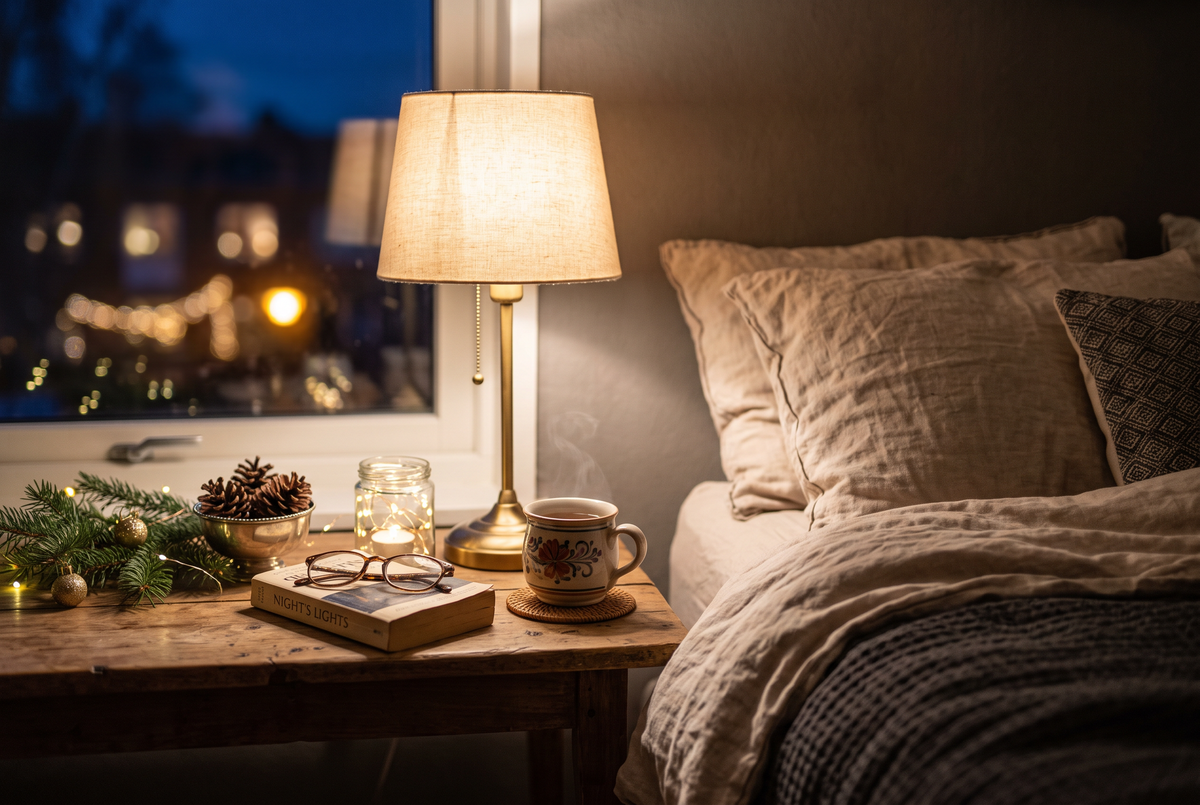
What many appreciate about an evening glass is the ritual of winding down – and this also works without alcohol: herbal tea, a warm bath, reading in dim light, or breathing exercises demonstrably reduce tension. You can find specific techniques in the guide Falling asleep faster, and the basics in our overview of sleep hygiene.
Optimize the bedroom
Alcohol raises body temperature and promotes nocturnal sweating – making a cool room around 18 degrees and breathable materials even more important. Our article on the ideal sleep temperature provides tips on this. And if you wake up with heartburn after restless nights, you should also take a look at our article on heartburn and reflux at night – alcohol is one of the most common triggers here.
The basis: a mattress that supports peaceful nights
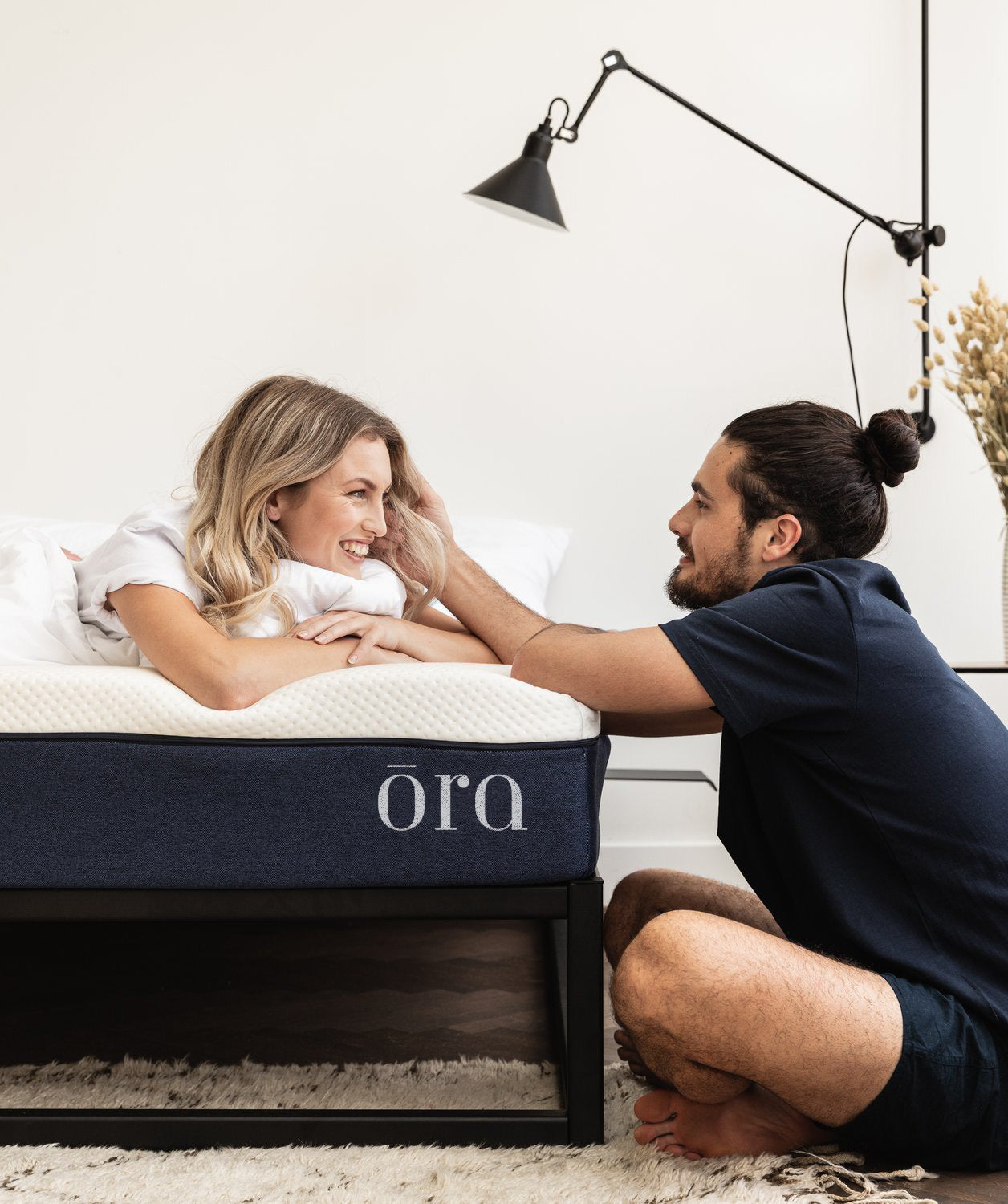
When sleep is already more fragile – whether after a glass of wine or during stressful periods – every source of disturbance counts. A mattress with a rigid firmness level that doesn't conform to the body creates pressure points and forces position changes; moreover, firmness level is an outdated, non-standardized concept. Adaptive materials like the EvoPoreHRC premium memory foam of the Ora mattress automatically adapt to the body and sleeping position and keep sleep as stable as possible even on sensitive nights.

Get CHF 25 discount
Subscribe to our newsletter and receive a one-time CHF 25 discount. ✓ 200 nights trial sleep ✓ 10 years warranty
Quieter nights start with the right foundation
The Ora Ultra Mattress with its EvoPoreHRC premium memory foam automatically adapts to your body and sleeping position – without firmness compromises. This relieves pressure points and reduces unnecessary waking phases, especially when sleep is already sensitive. Also available as an Ora Ultra Topper for your existing mattress. 200 nights trial sleep, 10-year warranty.
Frequently Asked Questions about Alcohol and Sleep
Does a glass of wine help you fall asleep?
In the short term, yes – alcohol has a sedative effect and shortens the time it takes to fall asleep. The price for this is a significantly worse second half of the night with suppressed REM sleep, frequent awakenings, and less recovery. Therefore, alcohol is unsuitable as a sleep aid.
How long before bed should you not drink alcohol?
As a rule of thumb, allow at least 3 to 4 hours between your last drink and bedtime. The liver metabolizes about 0.01% per hour – the more alcohol has been metabolized before you fall asleep, the less your night will suffer.
Why do I wake up in the middle of the night after drinking alcohol?
This is the rebound effect: once the alcohol has been metabolized, the nervous system overcompensates for the previous damping. Pulse and stress hormones rise, and sleep becomes shallow – typically between three and five in the morning. Additionally, thirst and the urge to urinate can wake you up.
Does alcohol increase snoring?
Yes, significantly. Alcohol relaxes the throat muscles, which narrows the airways and causes the tissue to vibrate more. Sleep apnea (breathing pauses) also occurs more frequently and for longer periods after alcohol consumption.
Is daily alcohol consumption a sleep problem?
Yes. The body gets used to the sedative effect, while the sleep-disturbing effects remain. This can lead to a vicious cycle of poor sleep and increased consumption as a supposed sleep aid. If you cannot fall asleep without alcohol, you should consult a doctor.
This article is for general information purposes only and does not replace medical advice.





Leave a comment
This site is protected by hCaptcha and the hCaptcha Privacy Policy and Terms of Service apply.