
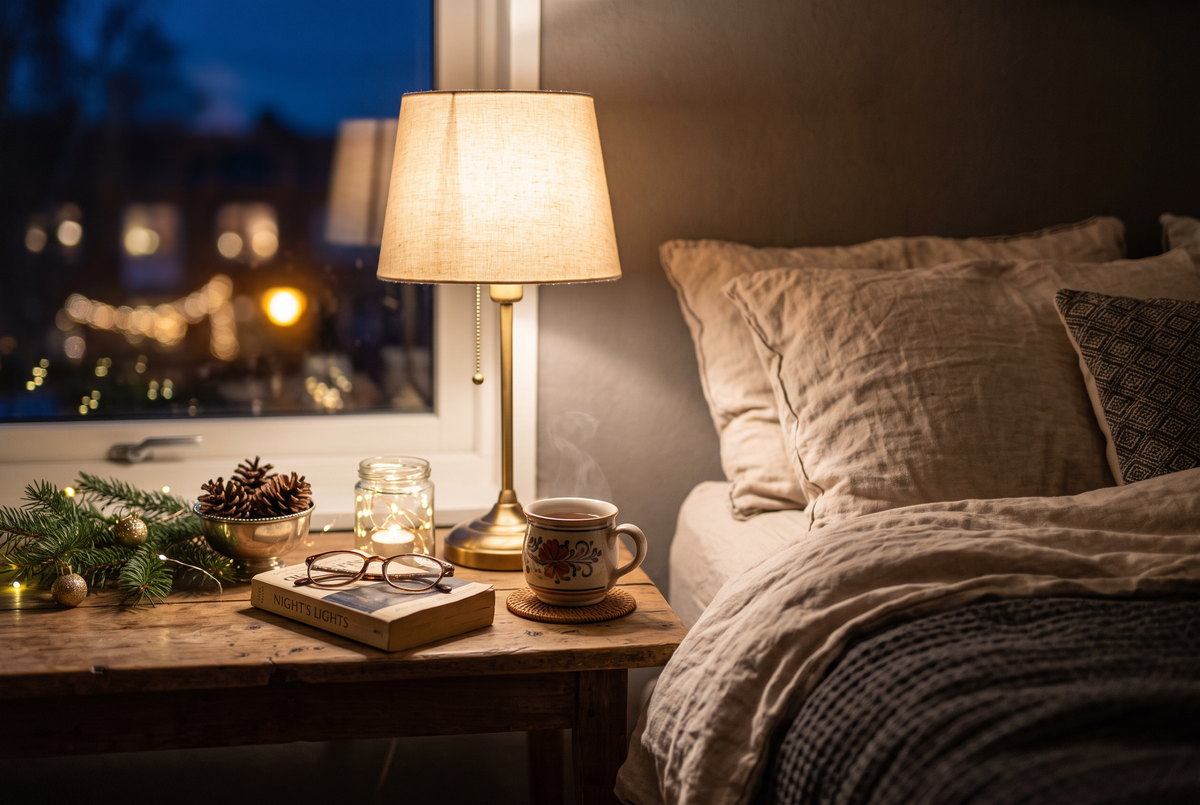
Silvester & Feiertage: So retten Sie Ihren Schlafrhythmus
Schlafrhythmus an Feiertagen: Wie ihr Silvester feiert, ohne die innere Uhr zu kippen, und entspannt in den Arbeitsalltag zurückfindet.
Cortisol am Morgen: der natürliche Wecker des Körpers
Cortisol steigt morgens um 50 bis 75 Prozent an und weckt den Körper. Wie die Aufwachreaktion funktioniert, was sie stört und wie Sie sie unterstützen.
Jet lag after long-haul flights: How do you overcome it fastest?
Overcoming Jet Lag After Long-Haul Flights: How Light, Timing, and Melatonin Reset Your Internal Clock – With a Concrete Plan for Eastbound and Westbound Flights.

Sleep and ADHD: Why the Brain Won't Switch Off at Night
Sleep and ADHD: Why up to three-quarters of those affected sleep poorly, the role of the shifted internal clock, and which strategies really help.
Social Jetlag: Does sleeping in on weekends make us sick?
Social Jet Lag: Why sleeping in on weekends feels like traveling through time zones, what consequences this has, and how you can get your inner clock back on track.
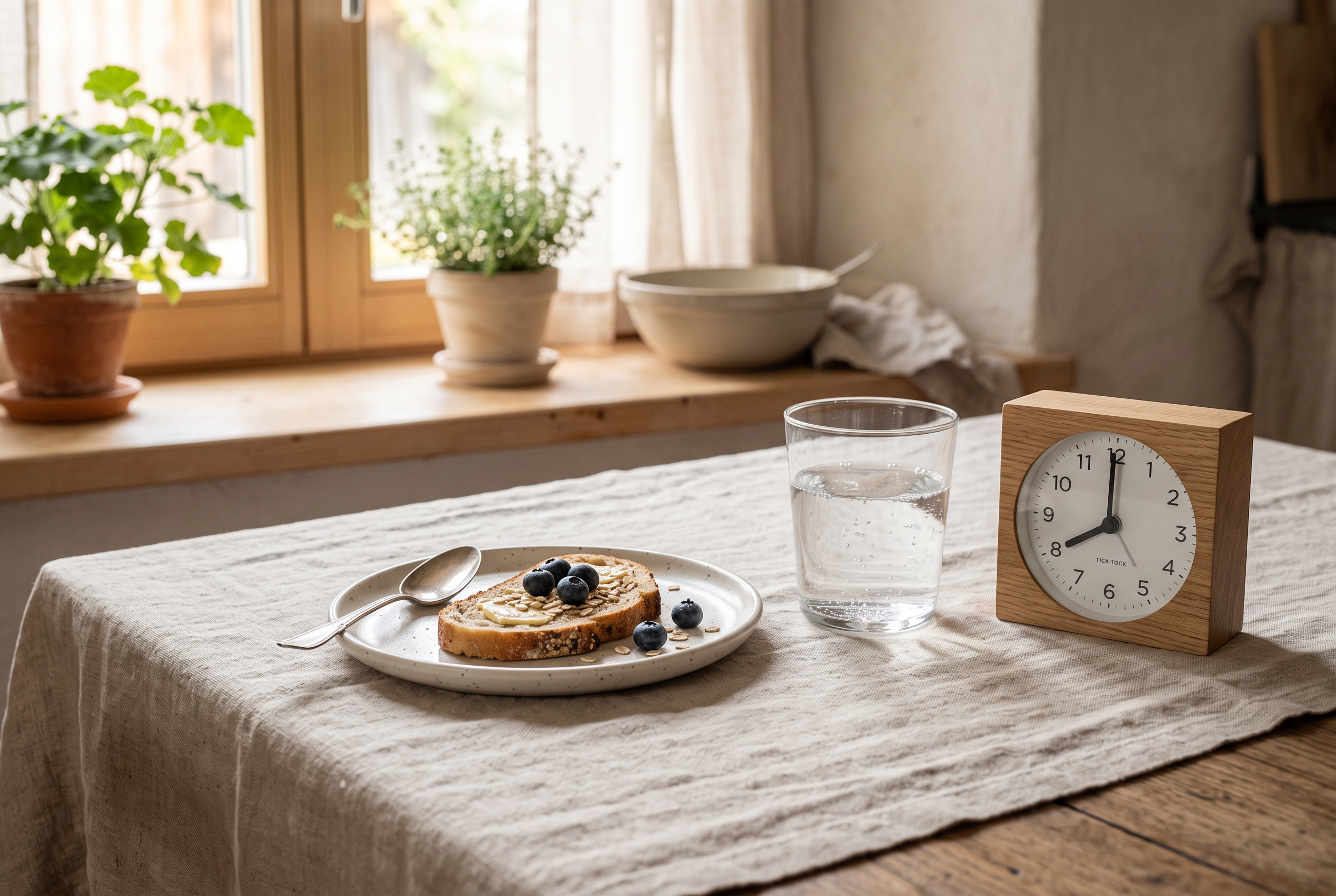
Intermittent Fasting and Sleep: Does it Help or Hinder?
Intermittent Fasting and Sleep: How Eating Windows Regulate the Circadian Clock, When 16:8 Improves Sleep – and Which Mistakes Ruin Nights.
Early Awakening: Why Am I Waking Up at 4 AM?
Waking up early in the morning usually has clear causes: a shifted internal clock, alcohol, light, age, or mood. Here's how to find the reason and get back to sleep.
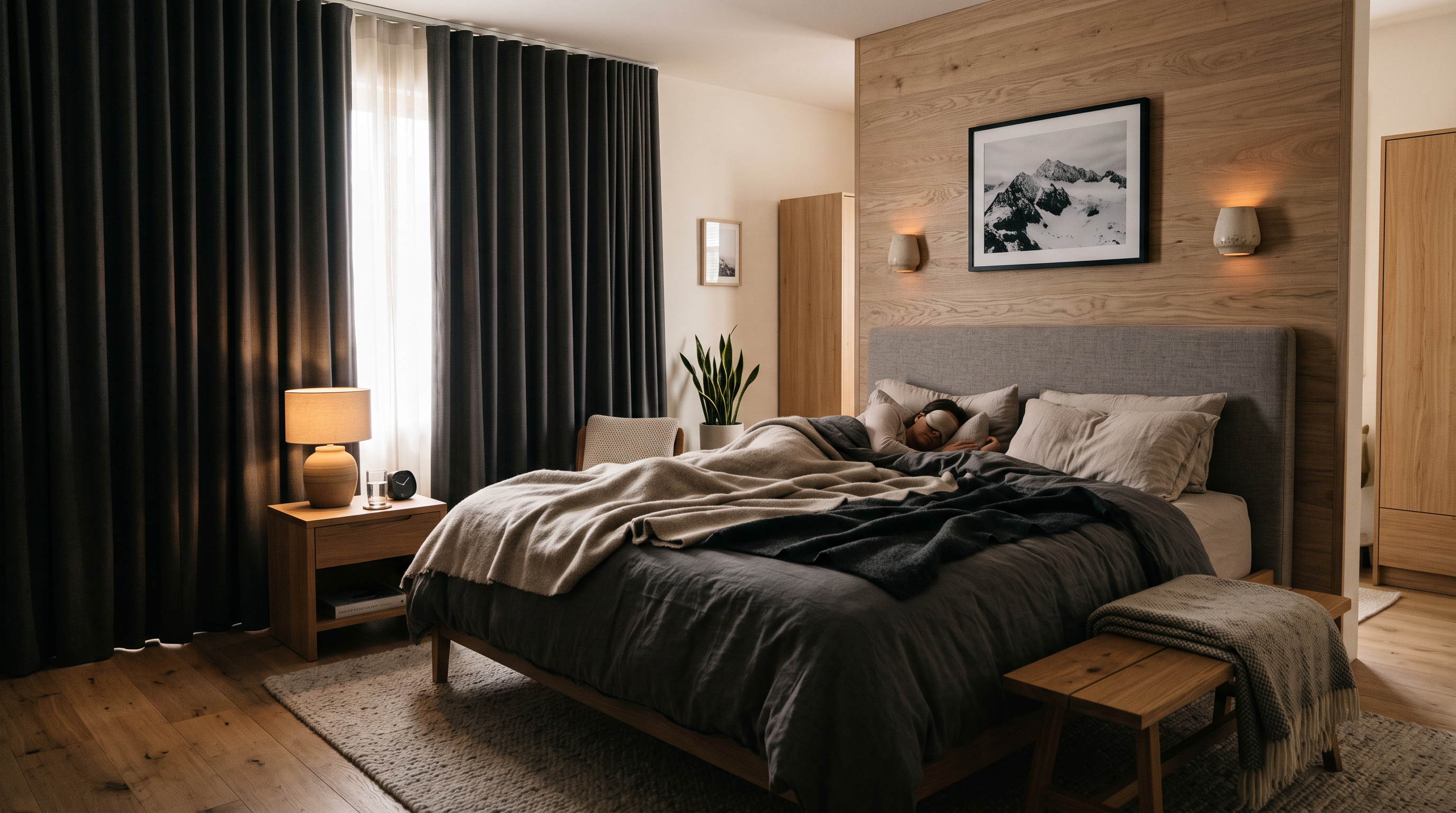
Shift Work and Healthy Sleep: Strategies for Restful Nights and Days
Shift work challenges the body's internal clock. With well-thought-out strategies for light, darkness, nutrition, and sleep environment, you can still get restful sleep despite changing shifts.
Daylight Saving Time and Sleep: How to keep your body clock in sync
Daylight Savings throws many people off their sleep rhythm. Find out why this is, and how you can gently adjust to summer and winter time with simple tips.
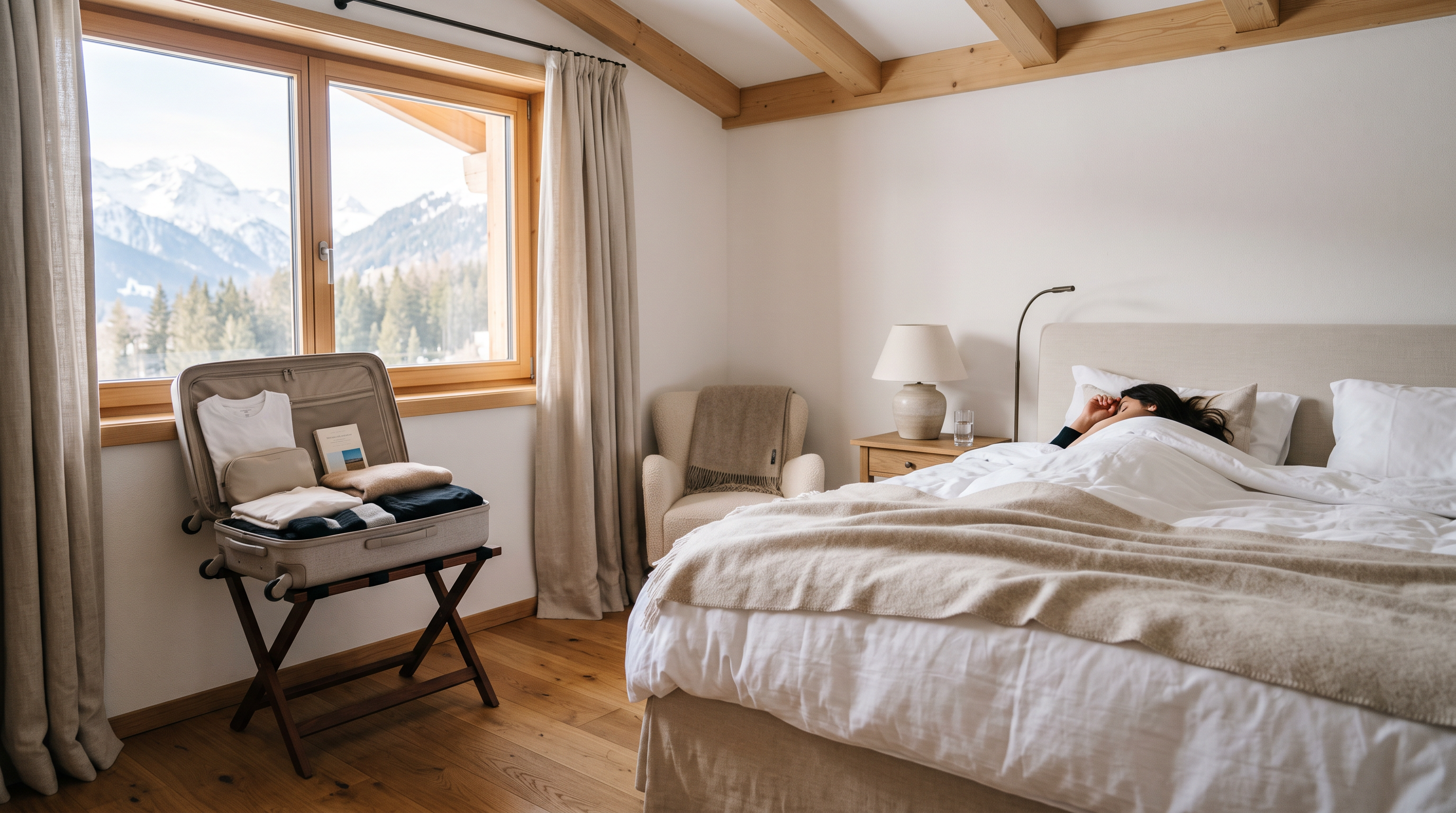
Preventing and Overcoming Jet Lag: The Best Tips for Travelers
Jet lag doesn't have to ruin your trip. With these proven jet lag tips on light, timing, and sleep, you can prevent it and get back into your rhythm faster.
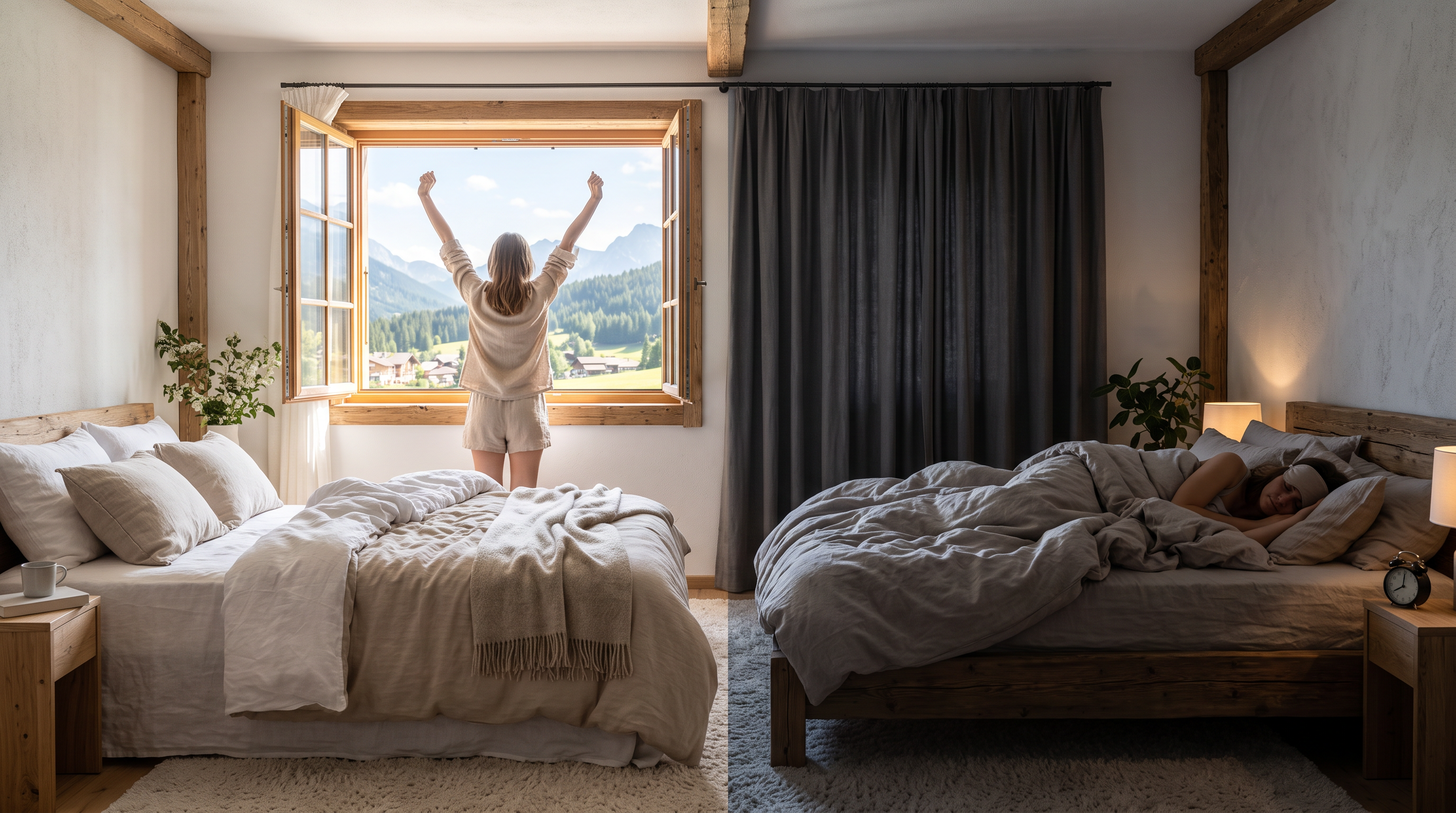
Chronotype lark or owl? How to find your sleep type
Are you a lark or an owl? Find out what chronotypes are, how to identify yours, and how to optimally adapt your daily routine to your natural sleep rhythm.

The Body Clock and Sleep: How Your Circadian Rhythm Controls Your Well-being
The internal clock controls sleep, wakefulness, and energy in a 24-hour cycle. This is how the circadian rhythm works – and with these everyday tips, you can reliably bring it into balance.



The Ultimate Sleep Guide
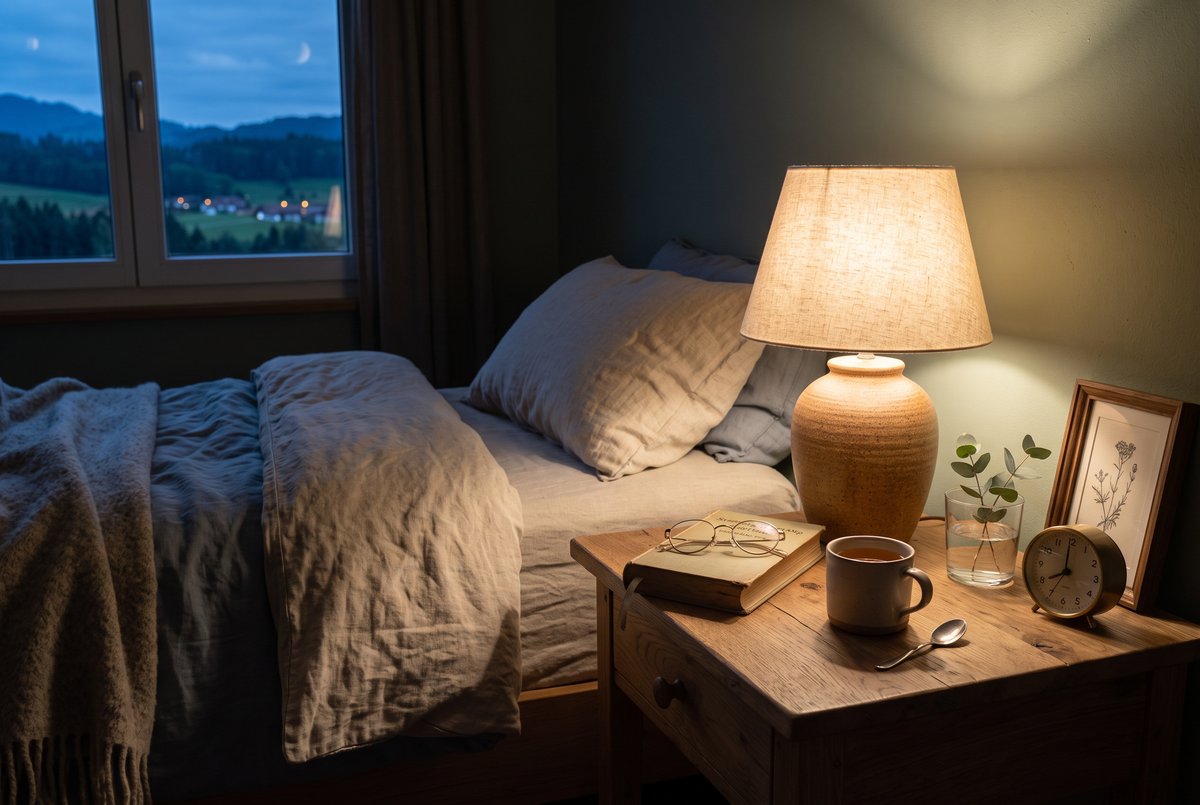
Der perfekte Sonntagabend gegen Montagsmüdigkeit
Sonntagabend-Unruhe verstehen: Warum die Nacht vor der Arbeitswoche so schwerfällt und wie eine feste Routine dagegen hilft.
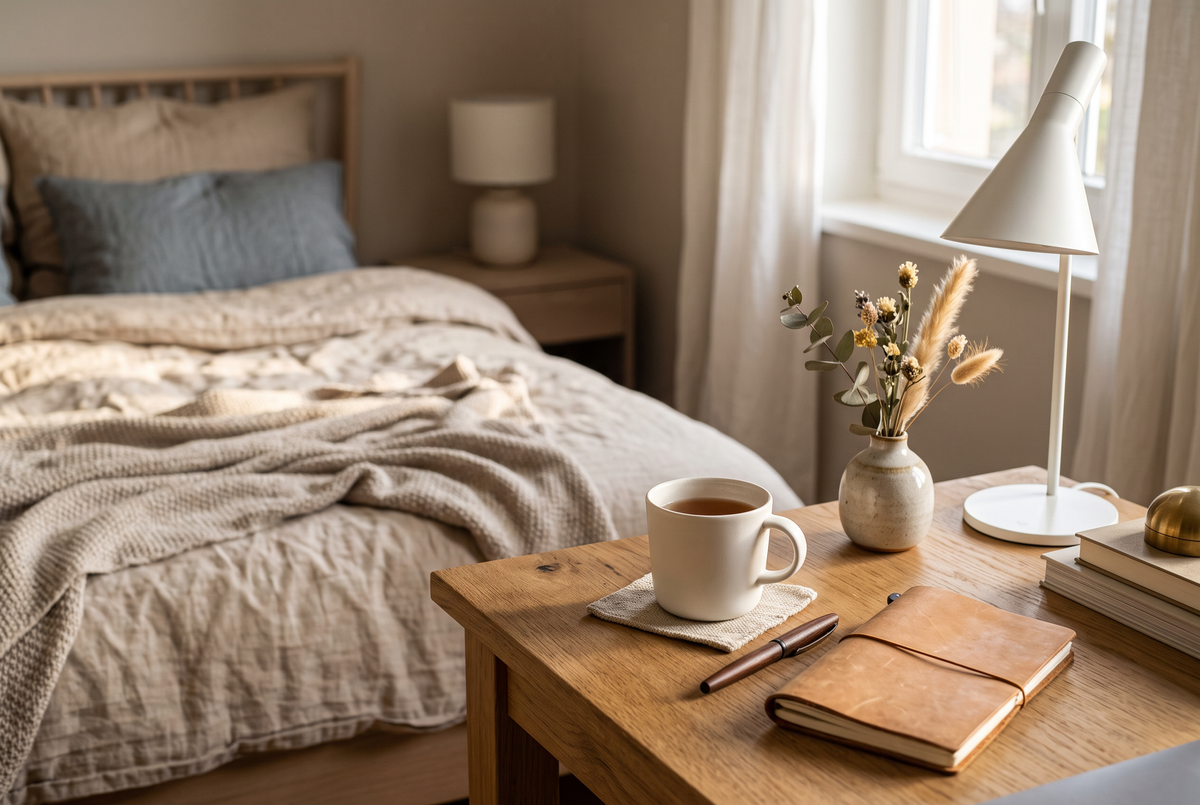
Schlaf und Homeoffice-Routine: Klare Grenzen ziehen
Schlaf und Homeoffice: Wie ihr Arbeitsplatz und Bett räumlich und mental trennt, um abends wirklich abzuschalten.
Silvester & Feiertage: So retten Sie Ihren Schlafrhythmus
Schlafrhythmus an Feiertagen: Wie ihr Silvester feiert, ohne die innere Uhr zu kippen, und entspannt in den Arbeitsalltag zurückfindet.