
Hardly any question concerns young parents as much as this: When will our baby finally sleep through the night? The nights are short, expectations are high - and the advice from others is contradictory. Time for an honest look at the topic: what is biologically normal, what parents can actually influence, and where patience is simply required.
The short answer: For babies, "sleeping through" means six to eight hours at a stretch – and most children achieve this sometime between six months and two years of age, each at their own pace. Waking up at night before then is biologically normal and even important. Parents can support healthy sleep habits: with a reliable bedtime routine, a clear distinction between day and night, a quiet, cool sleeping environment, and the opportunity for the baby to learn to fall asleep.
- Night waking is normal for babies: their sleep cycles are shorter than adults' and their stomachs are small.
- A consistent, calm bedtime routine is the most effective lever for better baby sleep.
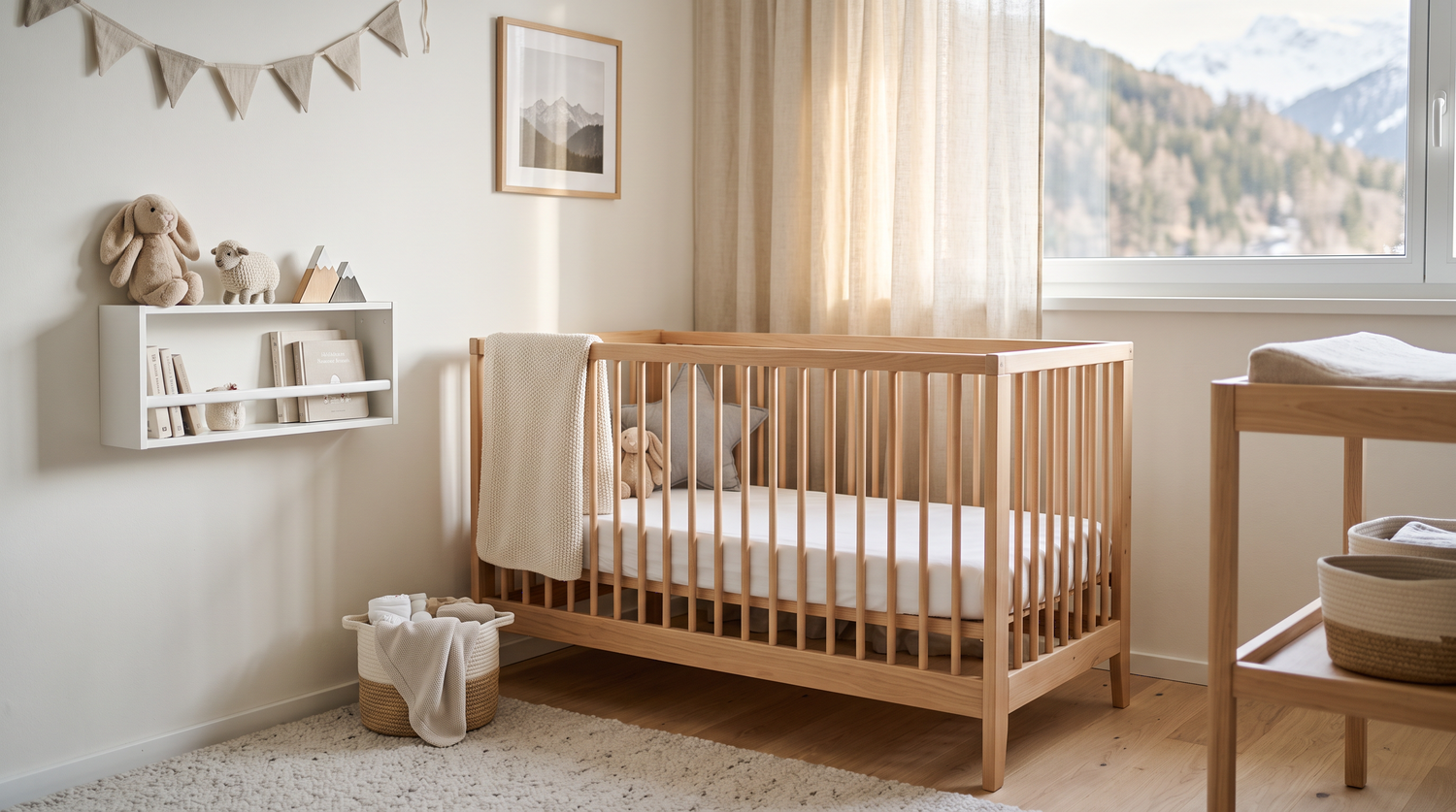
- The sleeping environment matters: 16–19 degrees Celsius, dark, quiet, firm baby mattress, no pillow in the first year.
- Comparisons with other babies don't help anyone – the range of normal development is huge.
What "sleeping through the night" really means
When experts talk about sleeping through the night, they mean six to eight hours of continuous sleep – not twelve. And even that is an ambitious goal for young babies: newborns have sleep cycles of only 45 to 60 minutes (adults: around 90), and at the end of each cycle, they briefly wake up or become alert. This is not a defect, but a protective mechanism – and the small stomach needs food every few hours anyway. You can find more about the structure of sleep in our article on sleep phases.
The schedule: What is realistic at what age
| Age | Total sleep (approx.) | What is realistic |
|---|---|---|
| 0–3 Months | 14–17 hours | Sleep in short bursts around the clock; night feeds necessary |
| 4–6 Months | 12–16 hours | Longer night sleep phases possible; first babies manage 6+ hours |
| 6–12 Months | 12–15 hours | Many babies sleep 6–8 hours at a stretch – regressions due to teething and developmental milestones are normal |
| 1–2 Years | 11–14 hours | Sleeping through the night becomes the norm, but remains susceptible to disruption |
The evening routine: The strongest lever
Babies love predictability. A consistent evening routine – for example, bath, pajamas, nursing or bottle, song, bed – reliably signals to the little body: now it's night. Three things are important here: The ritual should take place at a similar time every day, last no longer than 30 to 45 minutes, and end calmly – wild romping right before bedtime is counterproductive. Many principles of a good evening routine apply to both babies and adults. A clear distinction between day and night is also helpful: bright and lively during the day, dark, quiet, and boring at night – nighttime feeding and diaper changes should be as calm as possible with dim lighting.

The right sleeping environment for baby
Safety over comfort: Babies are safest sleeping on their backs in their own crib for the first year, without pillows, thick blankets, or piles of stuffed animals – a sleep sack is the better choice. The mattress should be firm, breathable, and fit snugly in the crib; our children's mattress guide explains what to look for. For room climate, as with adults: cooler sleeps better – the ideal sleep temperature is 16 to 19 degrees Celsius. Blackout helps the young sleep rhythm orient itself to daylight; tips can be found in our article on blacking out the bedroom.

And the parents? Your sleep counts too
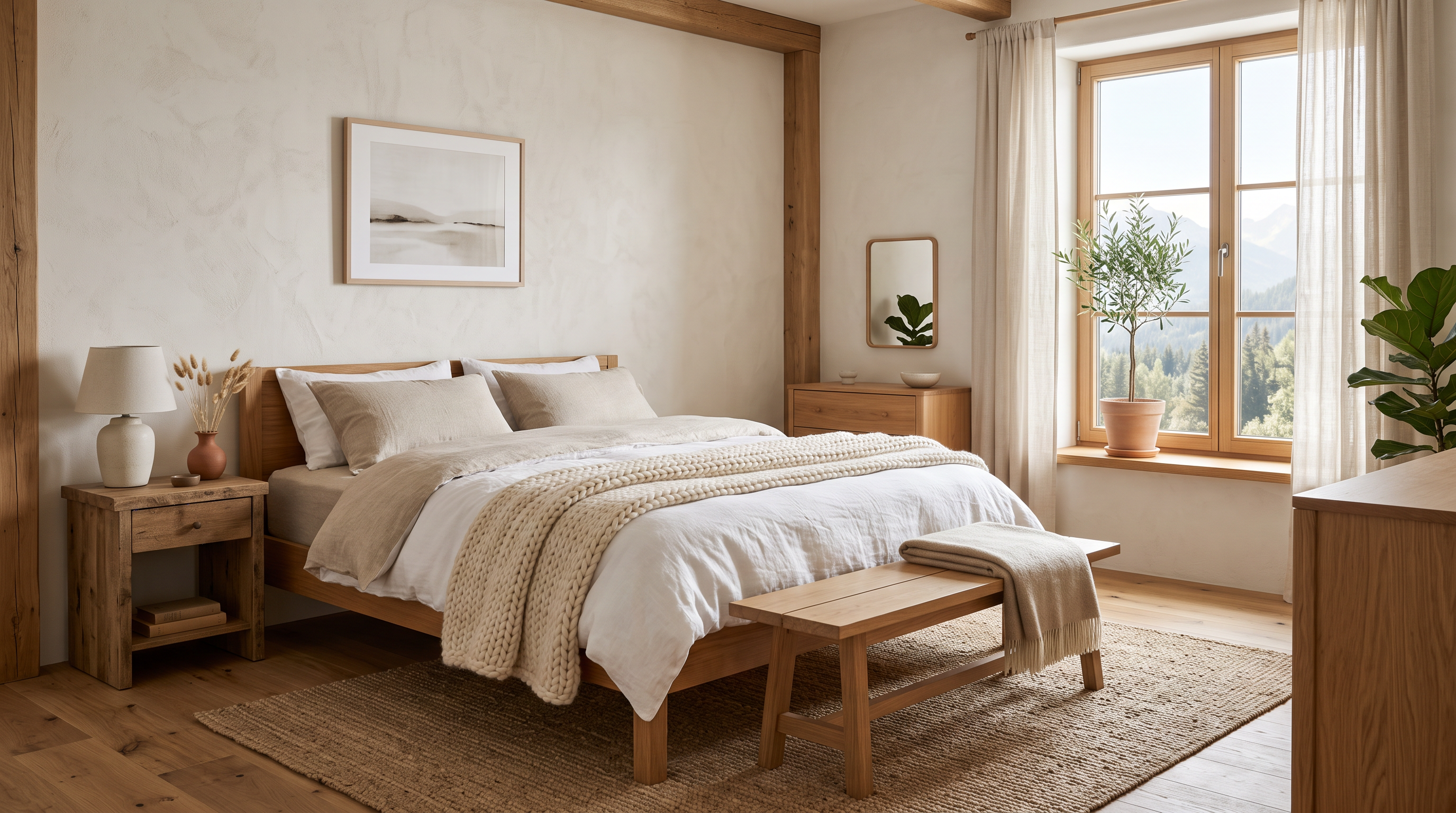
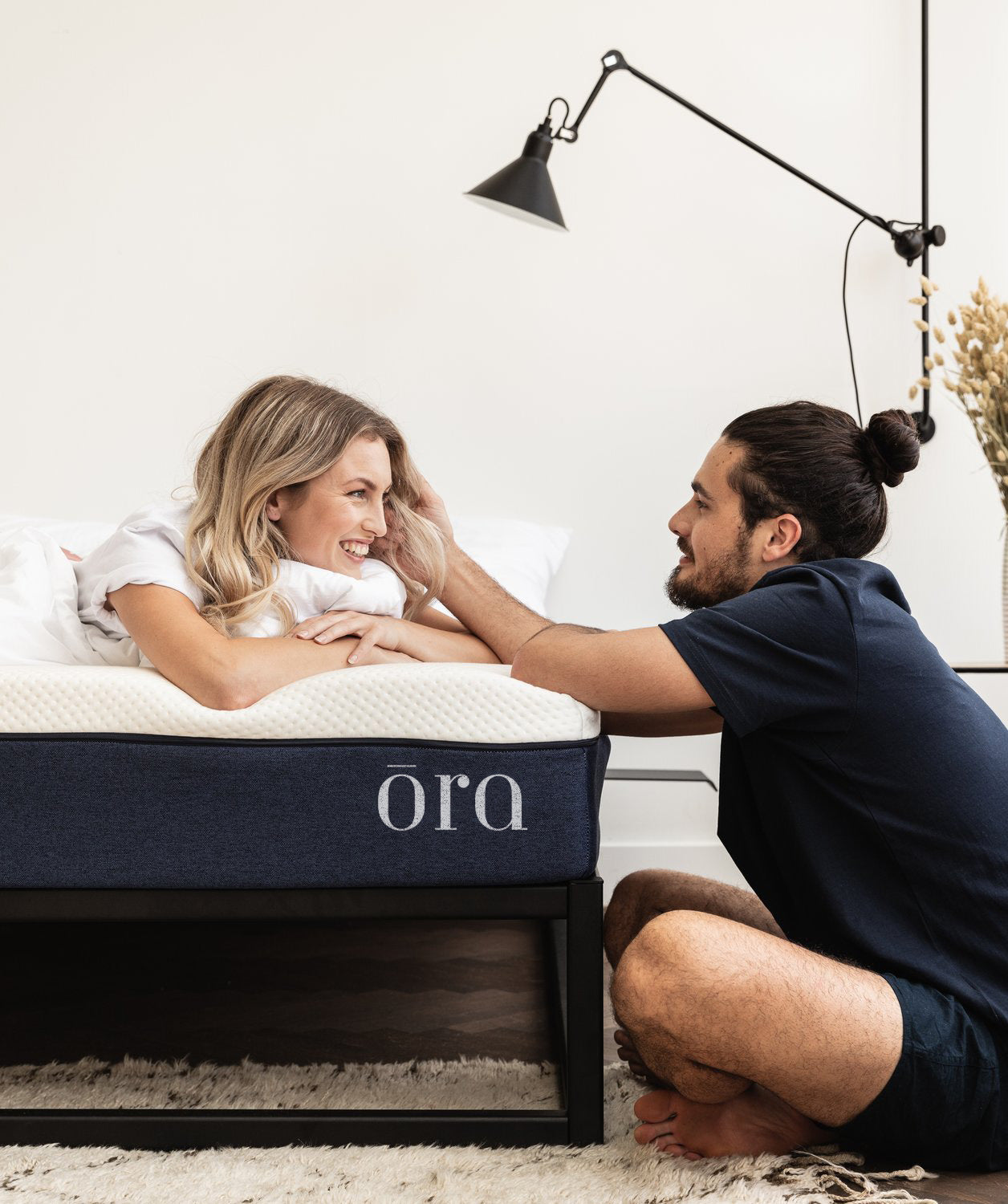
Anyone who gets up multiple times at night needs the remaining sleep windows all the more urgently – and this is where it's worth taking a look at your own bed. A mattress that creates pressure points or reverberates with every movement of your partner will make four hours of sleep even less. The Ora Ultra automatically adapts to your body and sleeping position with its EvoPoreHRC Premium Memory Foam – without any firmness discussion – and noticeably dampens movements. This way, every hour of sleep the night offers is optimally utilized.
Save CHF 25
Subscribe to our newsletter and receive a one-time CHF 25 discount. ✓ 200 nights trial sleep ✓ 10-year warranty
For parents' sleep that counts: The Ora Ultra mattress automatically adapts to body and sleep position and dampens nocturnal movements – ideal when every hour of sleep counts. Additionally, the Ora Ultra Topper provides even more comfort in the parents' bed.
Frequently asked questions about babies sleeping through the night
When do babies start sleeping through the night?
Most babies consistently manage six to eight hours at a stretch between six months and two years of age. The range is wide – earlier or later is both normal and says nothing about the child's development.
Should I let my baby cry at night?
Experts today advise against letting babies cry unattended. Gentler methods – a short waiting period, a soothing voice, placing a hand on them, gradual withdrawal – respect the bond and also lead to the goal, but require a little more patience.
Why is my baby suddenly waking up more frequently again?
Regressions are normal: teething, developmental leaps, infections, or changes in daily life temporarily disrupt sleep. Stick to familiar routines – sleep usually stabilizes again after two to six weeks.
What kind of mattress does a baby need?
A firm, breathable, and pollutant-tested baby mattress that fits perfectly in the crib. Soft adult mattresses are unsuitable for a baby's bed. You can find details in our children's mattress guide.
This article serves for general information and does not replace medical advice.






Leave a comment
This site is protected by hCaptcha and the hCaptcha Privacy Policy and Terms of Service apply.