
Barely having pulled an all-nighter – and your throat already feels scratchy: What many suspect from personal experience is well-supported by science. Sleep and the immune system are closely linked. Those who chronically get too little sleep are measurably more prone to infections, produce fewer antibodies after vaccinations, and recover more slowly from illnesses. Conversely, restorative sleep is one of the most effective and affordable measures to keep the body's defenses in top shape. In this article, we look at what happens in the immune system at night – and how you can help with sleep habits and the right sleep environment.
The short answer: During sleep – especially deep sleep – the body ramps up the production and release of important immune messengers, the immunological memory is consolidated, and inflammatory processes are regulated. Even a single short night reduces the activity of certain immune cells; chronic sleep deprivation permanently weakens the immune system. Aiming for seven to nine hours of quality sleep is the most effective way to support your immune system.
- During deep sleep, immune messengers are released and immunological memory is consolidated – sleep is active immune work.
- Studies show: Those who sleep less than six to seven hours catch colds significantly more often and produce fewer antibodies after vaccinations.
- Chronic sleep deprivation promotes silent inflammation, which burdens the immune system and overall health in the long term.
- Seven to nine hours of good sleep, a cool, quiet bedroom, and a comfortable mattress are the practical basis for a strong immune system.
What happens in the immune system at night
Sleep is not a passive state of rest but a highly active regeneration phase – also for the immune system. Three processes are particularly well-researched:
1. Release of immune messengers
In the first half of the night, when deep sleep dominates, the production of inflammation-regulating messengers, such as certain cytokines, increases. They coordinate the immune response and initiate repair processes. At the same time, the stress hormone cortisol reaches its lowest point – and since cortisol dampens immune function, the immune system has a clear path at night.
2. Consolidation of immunological memory
Just as the brain stores learned information during sleep, the immune system consolidates its "memory" of pathogens during sleep. This explains why sufficient sleep around vaccination improves antibody production: In several studies, well-rested individuals produced significantly more protective antibodies than sleep-deprived groups.
3. Better "hunting" by immune cells
Good sleep improves the ability of T-cells to bind to infected cells. Even one night without sleep reduces this binding capacity – one reason why we are more susceptible after sleepless nights. Our article on sleep stages explains how the individual phases alternate and why deep sleep is so precious.

What sleep deprivation does to the immune system
The downside is equally well documented. In a frequently cited study, volunteers were exposed to a cold virus: Those who slept less than six hours on average got sick about four times more often than people with seven or more hours. Chronic sleep deprivation also keeps cortisol levels elevated and promotes silent, low-grade inflammation ("inflammaging"), which burdens the immune system and cardiovascular system over years. The following overview summarizes:
| Sleep situation | Effect on the immune system |
|---|---|
| One sleepless night | temporarily less active immune cells, increased susceptibility to infection |
| Consistently under 6 hours | more frequent infections, weaker vaccine response, more inflammatory markers |
| 7–9 hours of good sleep | optimal messenger balance, strong vaccine response, good regeneration |
| Regularly over 9 hours (not restorative) | may indicate underlying conditions – quality counts more than mere duration |
How much sleep is necessary in individual cases depends on age and the person – our guide How much sleep does a person need? provides detailed guidance. The decisive factor is not only the duration but also the quality: continuous, deep sleep benefits the immune system more than eight fragmented hours.
Sleep for a strong immune system: practical levers
Regularity beats individual measures
The immune system follows a 24-hour rhythm. Fixed bedtimes and wake-up times – even on weekends – stabilize this rhythm and thus the nocturnal immune work. Morning daylight and exercise additionally support the internal clock. Our article on sleep hygiene summarizes the most important rules.
The bedroom as a regeneration space
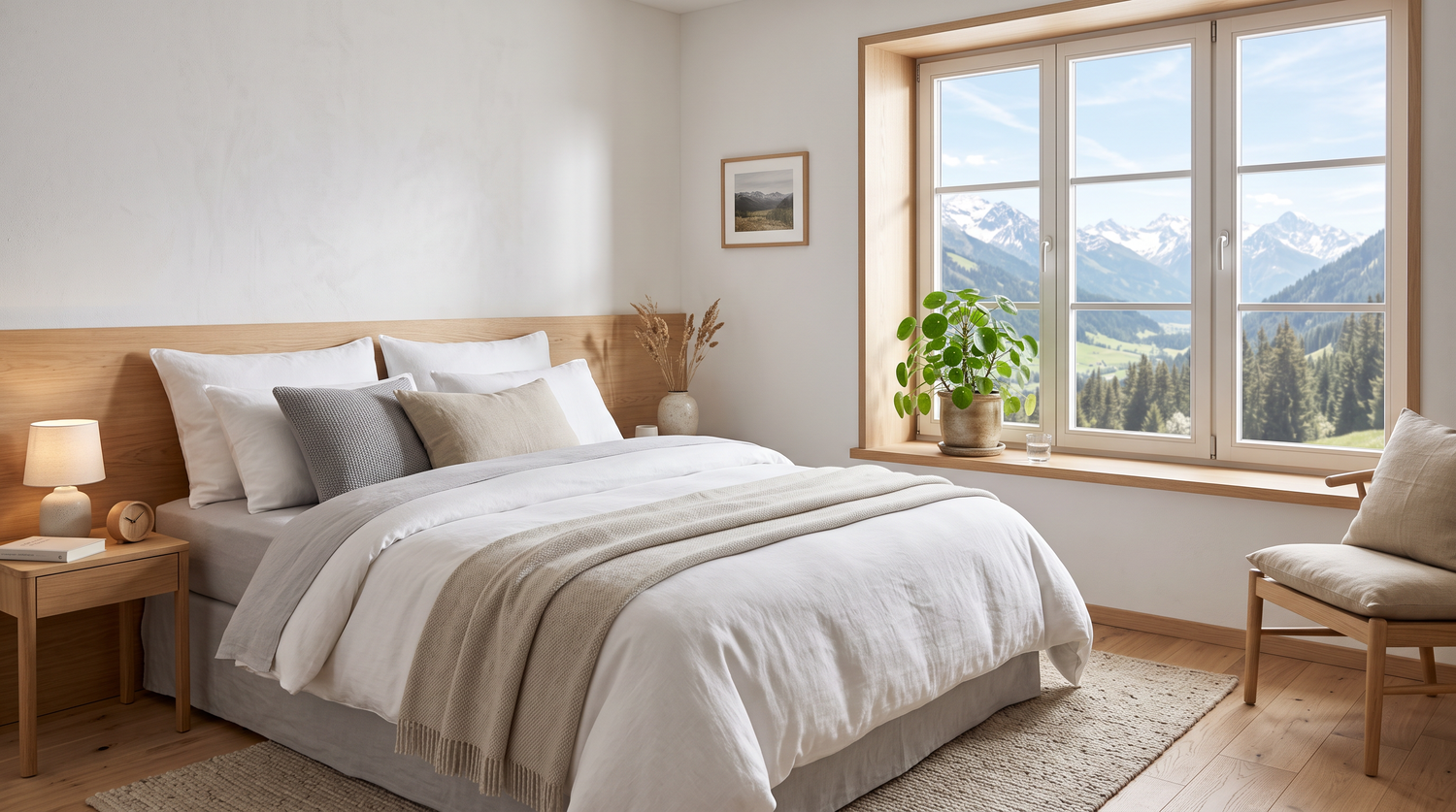
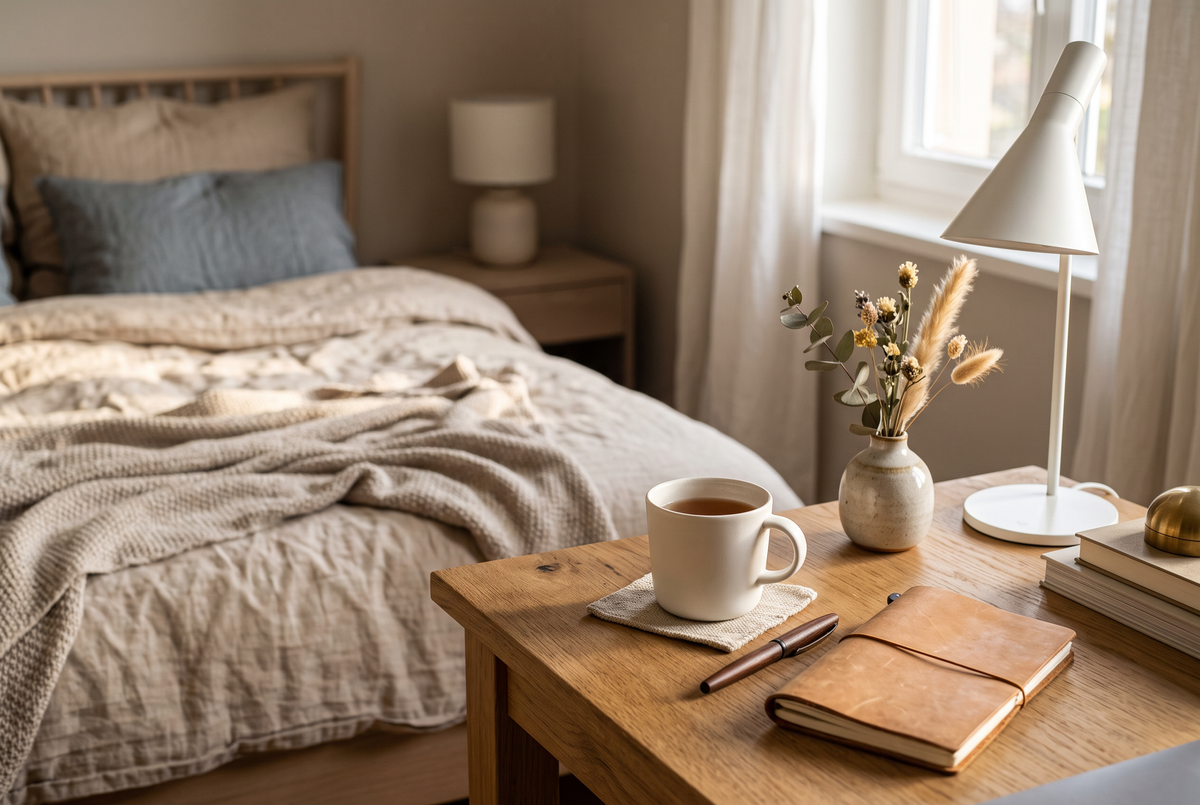
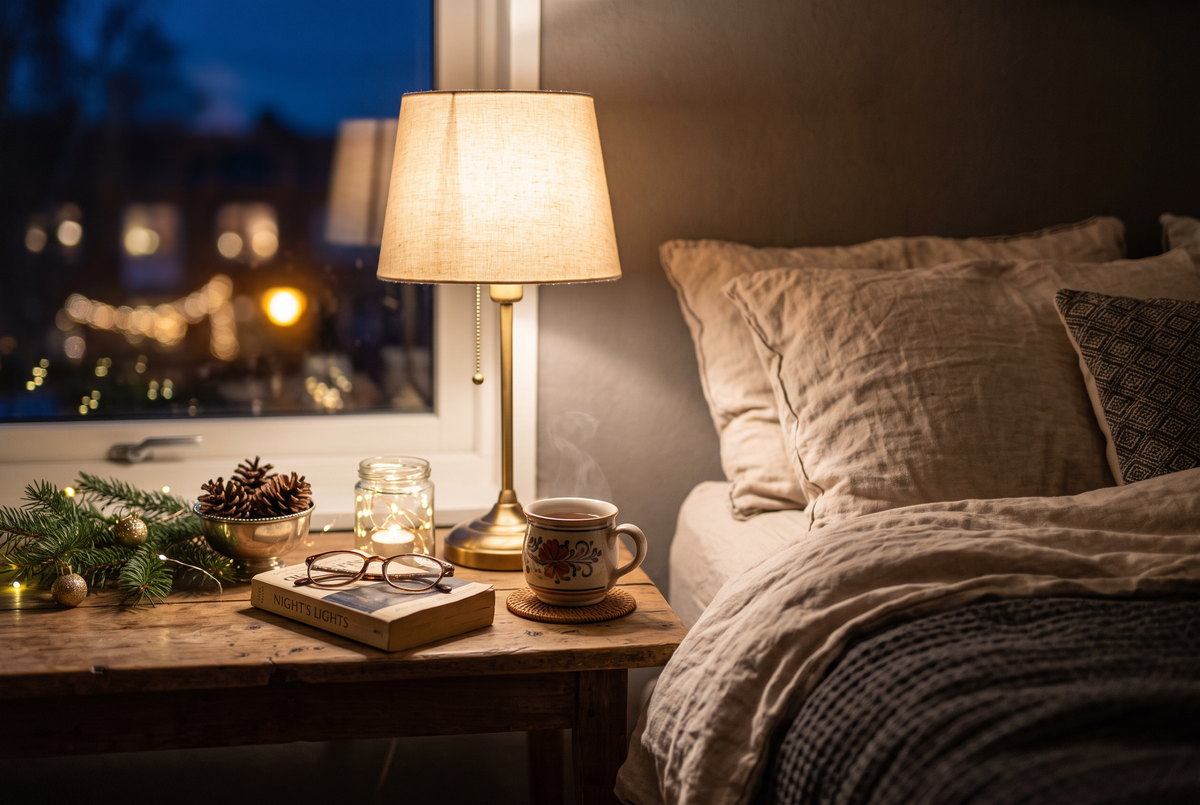
Cool, dark, and quiet – this is what an immune-friendly bedroom looks like. The ideal sleep temperature of 16–19 °C helps the body quickly fall into deep sleep. Fresh, clean air and a low-stimulus environment reduce disturbances that fragment sleep. Diet also plays a role: It's worth taking a look at our guide on nutrition for better sleep.

The role of the mattress
A sagging or uncomfortable mattress causes nocturnal micro-awakenings that fragment deep sleep – precisely the phase when the immune system is most active. Those who constantly toss and turn less often reach the deep, regenerative sleep stages. A mattress that evenly supports the body and relieves pressure points, however, promotes continuous sleep. The Ora Ultra mattress addresses this: Its EvoPoreHRC Premium memory foam automatically adapts to the body and sleeping position, ensuring quiet, uninterrupted nights. When choosing the right mattress, it's less about a "firmness level" – this is not standardized and varies from brand to brand, which is why an adaptive mattress replaces the outdated concept for everyone. You can read more about selection in our guide Mattress choice in Switzerland.
Reduce stress, increase sleep
Chronic stress keeps cortisol high and disrupts precisely the nocturnal processes that strengthen the immune system. Relaxation rituals before sleep – breathing exercises, reading, a warm bath – help the body unwind and facilitate falling asleep quickly.
Get CHF 25 discount
Subscribe to newsletter and receive a one-time CHF 25 discount. ✓ 200 nights trial sleep ✓ 10 years warranty
Sleep deeply, stay strong: The Ora Ultra mattress with EvoPoreHRC Premium memory foam promotes continuous, deep sleep by automatically adapting to the body and sleeping position and relieving pressure points – the foundation for nocturnal regeneration. An Ora Ultra Topper upgrades a still-good mattress. 200 nights trial sleep, 10-year warranty – feel the difference in your own nights.
Frequent questions about sleep and the immune system
How much sleep does the immune system need?
For most adults, seven to nine hours is ideal. Below this threshold, susceptibility to infection measurably increases, and the vaccine response is weaker. In addition to duration, sleep quality is crucial – continuous, deep sleep benefits the immune system the most.
Can I catch up on lost sleep on the weekend and thereby strengthen my immune system?
Only to a limited extent. Catching up on some sleep is better than nothing, but it does not fully compensate for the effects of chronic sleep deprivation. Large differences between weekdays and weekends ("social jet lag") also disrupt the rhythm. Regularity is more effective than catching up.
Does more sleep help if I am already sick?
Yes. During an infection, the need for sleep often increases by itself – the body signals that it needs rest for immune work. Sufficient sleep supports recovery but does not replace medical treatment for more serious conditions.
Does even a single bad night weaken the immune system?
Temporarily, yes: Studies show that even after one night of sleep deprivation, certain immune cells are less active. However, this effect is usually temporary and normalizes with restorative sleep. Permanent sleep deprivation is particularly problematic.
Is too much sleep bad for the immune system?
Regularly sleeping significantly more than nine hours and still not feeling rested can be an indication of an underlying illness or poor sleep quality. It is not the sheer quantity that counts, but restorative, undisturbed sleep – if persistent excessive tiredness occurs, a medical examination is advisable.
This article is for general information purposes only and does not replace medical advice.





Leave a comment
This site is protected by hCaptcha and the hCaptcha Privacy Policy and Terms of Service apply.