

Waking up in a cold sweat, heart pounding, the images of the dream still tormentingly present: almost everyone experiences nightmares. About half of all adults occasionally have nightmares, and around five percent suffer from them so frequently that their sleep quality and daytime performance are noticeably impaired. The good news: nightmares are not an unchangeable fate. Those who understand how and why they arise can take targeted countermeasures – often with surprisingly simple means.
The short answer: Nightmares primarily occur during the REM sleep phase and are facilitated by stress, unprocessed experiences, irregular sleep, alcohol, or certain medications. The best way to get rid of them is through stress reduction, consistent sleep hygiene, and the scientifically well-established Imagery Rehearsal Therapy (IRT), where one consciously gives the nightmare a new, positive ending during the day.
- Nightmares primarily occur in the second half of the night when REM phases lengthen – which is why we remember them so vividly.
- The most common triggers are stress, rumination, traumatic experiences, sleep deprivation, alcohol, and late, heavy meals.
- Imagery Rehearsal Therapy (IRT) is considered the most effective method: the dream is rewritten while awake, and the new script is regularly practiced.
- A cool, dark, quiet bedroom and a relaxing evening routine significantly reduce the likelihood of nightmares.
What are nightmares – and what happens in the brain during them?
Nightmares are intensely negative dreams that are so threatening or disturbing that they wake us up. They almost exclusively occur during REM sleep (Rapid Eye Movement), the phase in which the brain is highly active, processes emotions, and sorts memories. You can learn more about the structure of the night in our article on sleep phases.
Dream research today assumes that dreams – even unpleasant ones – have a function: they help the brain process emotional experiences and "practice" threat scenarios safely. An occasional nightmare is therefore not a warning sign, but part of normal nocturnal psychological hygiene. It only becomes problematic when nightmares occur frequently, fragment sleep, or cause fear of falling asleep – specialists then refer to it as a nightmare disorder.
Nightmare or night terror? The important difference
Nightmares are often confused with so-called night terrors (Pavor nocturnus), which primarily occur in children. The distinction is important because the approach to dealing with them is different:
| Characteristic | Nightmare | Night Terror |
|---|---|---|
| Sleep phase | REM sleep, usually second half of the night | Deep sleep, usually first third of the night |
| Memory | Vivid, detailed | No or hardly any memory |
| Awakening | Fully awake, responsive | Confused, difficult to wake |
| Typical age | All age groups | Especially children aged 2–7 years |
| Handling | Comfort, process during the day | Do not wake, ensure safety, wait it out |
The most common causes and triggers of nightmares
Nightmares rarely have a single cause. Usually, several factors interact:
Stress and emotional strain
By far the most common trigger is psychological pressure: conflicts, exams, professional overload, or anxieties about the future. What remains unprocessed during the day resurfaces at night. Those who ruminate in the evening take the tension to bed – you can read how to break this cycle in our guide on stress and rumination in sleep problems.
Traumatic experiences
After accidents, losses, or experiences of violence, recurring nightmares are a typical symptom. They are part of the processing – however, if they persist for months or always revolve around the same event, professional support is advisable.
Substances and medications
Alcohol initially suppresses REM sleep; in the second half of the night, a so-called REM rebound occurs with particularly intense, often negative dreams. More on this in the article Alcohol and Sleep Quality. Nicotine withdrawal, certain blood pressure reducers, antidepressants, and febrile infections can also increase dream activity and nightmares.
Poor sleep conditions
Irregular sleep times, sleep deprivation, and an overheated bedroom measurably increase the likelihood of nightmares. A too-warm bed climate leads to more frequent awakenings during REM phases – and thus to more remembered nightmares. The ideal sleep temperature is about 16 to 19 degrees Celsius.

Getting rid of nightmares: These methods work
1. Imagery Rehearsal Therapy (IRT): rewriting the script
The most effective and well-researched method for recurrent nightmares is Imagery Rehearsal Therapy. It works in three steps: First, you write down the nightmare in detail during the day. Second, you change the story at a crucial point – the pursuer becomes a harmless passerby, the fall ends in a gentle flight. Important: The new ending should feel coherent and positive to you. Third, you vividly imagine the new version for five to ten minutes daily, for about two weeks. Studies show that this significantly reduces the frequency and intensity of nightmares – the brain adopts the new script.
2. Keep a dream journal
Immediately after waking up, jot down keywords about the dream: location, people, feeling, recurring elements. After two to three weeks, many sufferers recognize patterns – for example, that nightmares occur more frequently after stressful days, late meals, or alcohol. This realization alone takes much of the terror out of the nightmare.
3. Relaxation and evening routine
Since stress is the main trigger, anything that calms the nervous system in the evening helps: breathing exercises, progressive muscle relaxation, or a fixed evening routine with screen breaks, dimmed lights, and a brief "thought dump" on paper. Those who fall asleep relaxed demonstrably dream more peacefully.
4. Optimize sleep environment
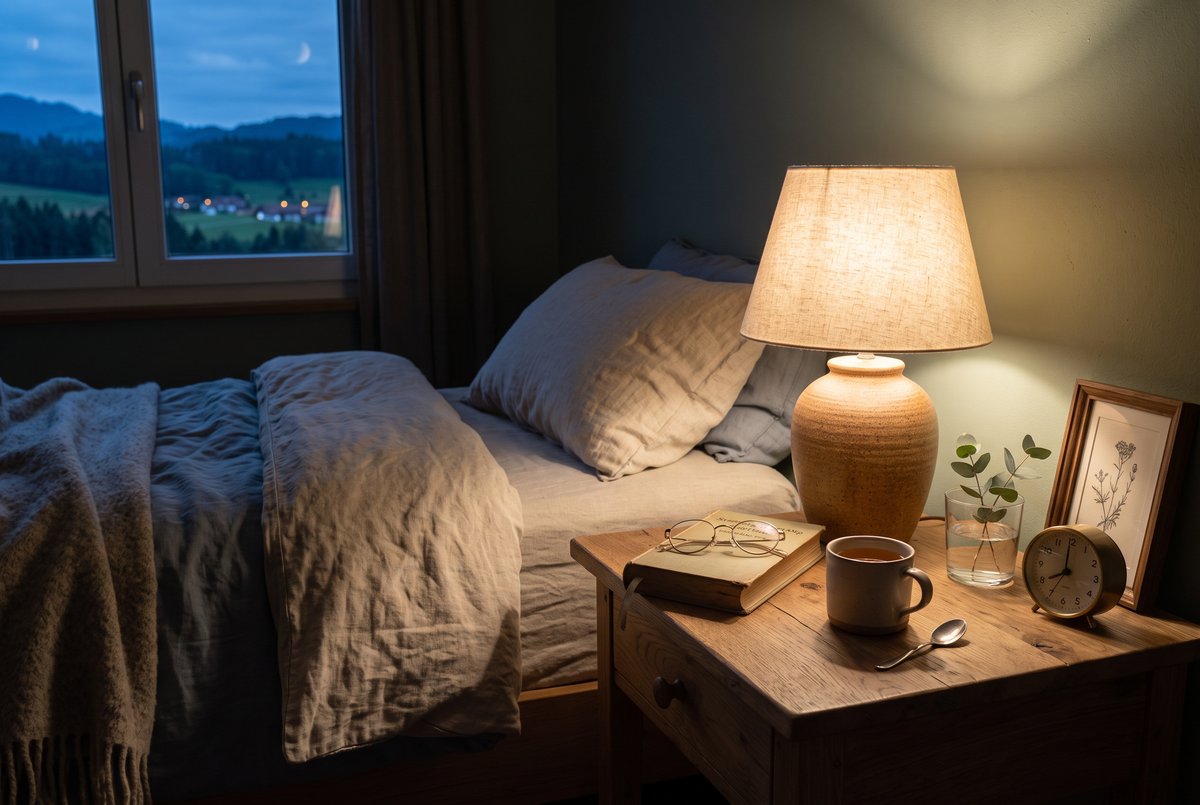
A cool, dark, quiet bedroom and regular sleep times stabilize sleep architecture and reduce nocturnal awakenings. Sleep comfort also plays a role: those who repeatedly half-wake up at night due to pressure points or tension more frequently remember disturbing dream content. A mattress that automatically adapts to the body and sleeping position – like the Ora Ultra with adaptive EvoPoreHRC foam – ensures that positional changes during sleep do not become waking stimuli. The outdated concept of rigid firmness levels no longer plays a role, as firmness levels are not standardized anyway.

When should you seek professional help?
A doctor's visit or psychotherapeutic evaluation is advisable if nightmares occur several times a week, if they persist for months after a stressful event, if you delay falling asleep out of fear of dreams, or if daytime fatigue impairs your daily life. Nightmare disorders are highly treatable – no one has to resign themselves to persistent nightmares.
Get CHF 25 discount
Subscribe to the newsletter and receive a one-time CHF 25 discount. ✓ 200 nights trial sleep ✓ 10 years warranty
Frequent questions about nightmares
Why am I suddenly having so many nightmares?
The most common reasons are acute stress, life changes, sleep deprivation, alcohol, new medications, or febrile infections. An irregular sleep rhythm also increases REM activity in the morning hours and thus the recall of intense dreams.
Are nightmares dangerous?
Occasional nightmares are harmless and part of normal emotional processing. They only become in need of treatment if they occur several times a week, persistently disturb sleep, or trigger fear of falling asleep.
What helps best against recurrent nightmares?
Imagery Rehearsal Therapy (IRT) is considered the most effective method: the nightmare is written down during the day, retold with a positive turning point, and the new version is mentally practiced for a few minutes daily. Additionally, stress reduction, relaxation techniques, and good sleep hygiene help.
Why do I remember nightmares so clearly?
Nightmares usually wake us directly from REM sleep – the state in which dreams are most vivid. Those who wake up immediately from a dream can recall it much better than after a transition into other sleep phases.
Can certain foods trigger nightmares?
Late, heavy, or spicy meals can fragment sleep and enhance dream recall. Direct "nightmare foods" are not scientifically proven – the timing of meals, alcohol, and caffeine in the evening are more decisive.
This article serves for general information and is not a substitute for medical advice.









Leave a comment
This site is protected by hCaptcha and the hCaptcha Privacy Policy and Terms of Service apply.